The core message of "Josee, the Tiger and the Fish" is one of hope, resilience, and the courage to face one's fears to pursue a fulfilling life. Director Kotaro Tamura aimed to create an uplifting and positive story that contrasts with darker narratives about disability. The film posits that while everyone carries their own invisible burdens or "tigers," it is possible to overcome them and step into a wider world of possibilities. It's a story about how human connection can provide the strength to chase dreams, whether it's diving in faraway oceans or sharing one's art with the world. The film emphasizes that dreams can evolve and that true strength lies in supporting one another through life's unpredictable challenges, ultimately finding a future filled with love and shared aspirations.

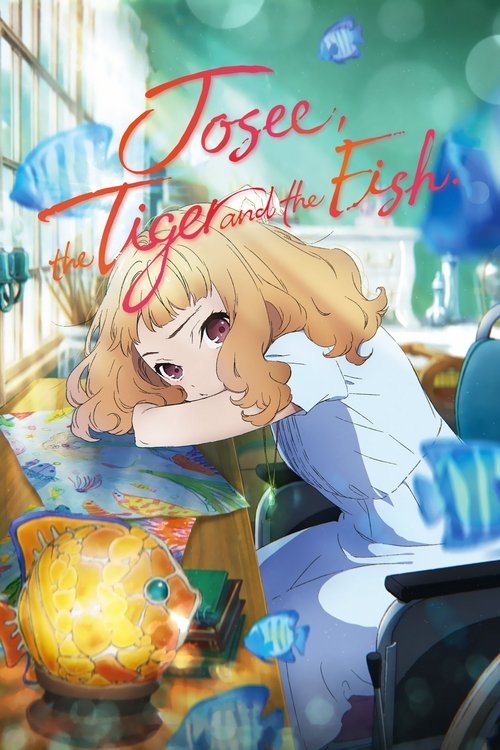
ジョゼと虎と魚たち
"Together they can fly."
Director: Kotaro Tamura
Cast: Taishi Nakagawa, Kaya Kiyohara, Yume Miyamoto, Kazuyuki Okitsu, Lynn
Josee, the Tiger and the Fish — Symbolism & Philosophy
Symbols & Motifs
The Tiger
The "tiger" symbolizes the fears and dangers of the outside world that Josee has been taught to believe in. It represents all the potential threats—both real and imagined—that keep her isolated in her home. Facing the tiger is a metaphor for confronting her anxieties and stepping out into the world with courage.
Josee's grandmother often speaks of the "scary beasts" in the world, solidifying this fear. A pivotal moment is when Josee finally goes to the zoo to see a real tiger, an act that signifies her growing bravery. Director Kotaro Tamura hopes the film inspires audiences to face their own personal "tigers."
The Fish / The Sea
The sea and the fish within it symbolize freedom, dreams, and a world of boundless possibility. For Tsuneo, it is his life's passion and career goal. For Josee, who cannot use her legs, the idea of fish and mermaids represents an ideal form of movement and liberation from her physical constraints. It is a world where she can be free and uninhibited.
This symbol is central to the connection between Tsuneo and Josee. Their first major bonding experience is a trip to the sea. Josee's artwork frequently features aquatic themes, and she creates a picture book about a mermaid, which is an allegory for her relationship with Tsuneo and her own journey.
Josee's Drawings and Picture Book
Josee's art is the primary expression of her inner world, imagination, and dreams. It is the vehicle through which she processes her emotions and envisions a life beyond her physical reality. Her picture book, "The Mermaid and the Radiant Wings," becomes a powerful symbol of her love for Tsuneo and her own personal growth.
Throughout the film, we see glimpses of Josee's artistic talent. The climax of her artistic journey is when she reads her completed picture book to a group of children, with Tsuneo in attendance. The story within the book mirrors their own, symbolizing her acceptance of herself and her hope for their shared future.
Philosophical Questions
What defines a 'disability,' and are physical limitations the only true barriers we face?
The film explores this question by contrasting Josee's physical inability to walk with the emotional and psychological barriers faced by both characters. Josee's initial confinement is as much a product of her fear (the "tigers") as it is her physical condition. Later, after his accident, Tsuneo faces a psychological disability—despair and the loss of his dream—that is just as debilitating. The film suggests that the most significant disabilities can be the internal ones, like fear and hopelessness, and that they can be overcome with courage and human connection.
How do dreams shape our identity, and what happens when those dreams are shattered?
Both Josee and Tsuneo are initially defined by their aspirations. Tsuneo's identity is tied to becoming a marine biologist, and Josee's is linked to her secret world of art. When Tsuneo's accident threatens to permanently derail his dream, he loses his sense of self and falls into depression. The film delves into the difficult process of rebuilding one's identity when a lifelong goal is taken away. It proposes that while dreams are vital, our identity is also shaped by our relationships and our resilience, and that new, shared dreams can emerge from the wreckage of old ones.
Core Meaning
Explore More About This Movie
Dive deeper into specific aspects of the movie with our detailed analysis pages