Skip to content
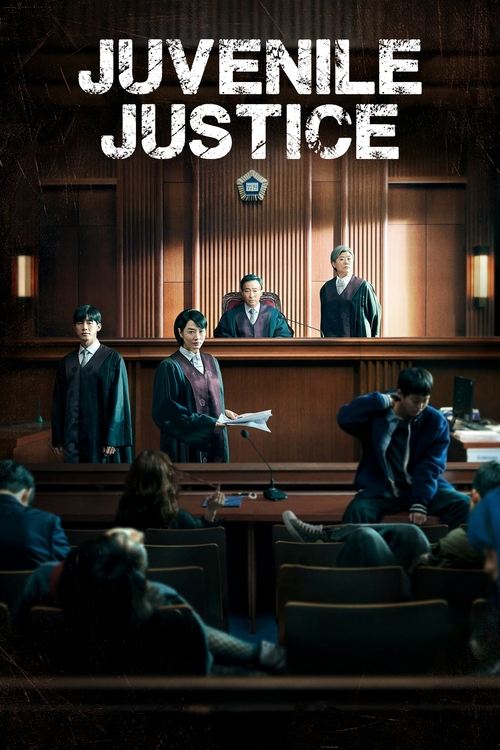
Juvenile Justice
An unrelenting legal noir doused in cold, stark courtroom shadows, standardizing grief into righteous anger like a gavel striking unforgiving marble, forcing society to confront the fractured souls of its lost youth.
Juvenile Justice
Juvenile Justice

소년심판

"Young offenders sentenced as monsters."

25 February 2022 — 25 February 2022 South Korea 1 season 10 episode Canceled 8.1 (252)

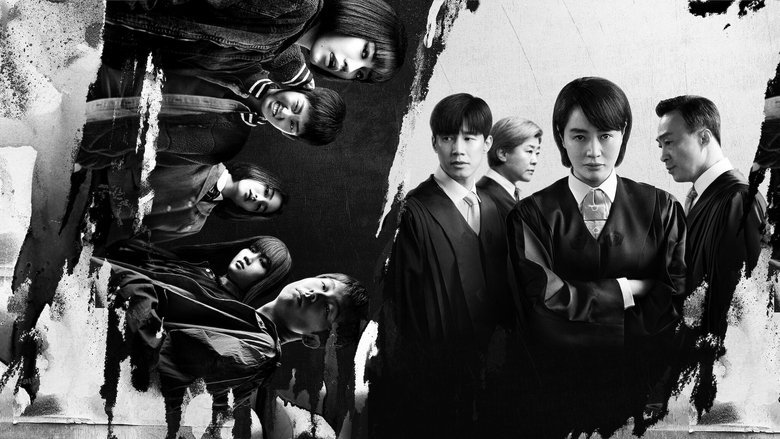
Cast: Kim Hye-soo, Kim Moo-yul, Lee Sung-min, Lee Jung-eun, Lee Sang-hee

Drama Crime Systemic Law vs. Moral Accountability Environmental Determinism and Parental Responsibility Retribution vs. Rehabilitation The Lasting Echoes of Victimhood and Trauma Institutional Corruption and Bureaucratic Efficiency

Juvenile Justice — Ending Explained

⚠️ Spoiler Analysis

Major Plot Twists & Climax:

  • Episode 1–2 Twist: 13-year-old Baek Seong-woo did not act alone in killing 8-year-old Ji-hoo. He confessed to take advantage of his chokbeop sonyeon status (under 14). 16-year-old Han Ye-eun was the actual killer and dismembered the child. Judge Shim exposes their collusion, resulting in Ye-eun receiving 20 years in prison (the maximum juvenile sentence) and Seong-woo being sent to a reformatory.
  • Episode 5–6 Twist: Chief Judge Kang Won-joong’s own son, Shin-woo, is implicated in the Descartes high school exam leak scandal. When Shim Eun-seok discovers Kang covered up his son's involvement to protect his political run, Kang admits his fault and resigns from the bench.
  • Episode 9–10 Twist (Eun-seok’s Backstory): It is revealed that Judge Shim Eun-seok’s 5-year-old son, Nam Ji-hoo, died five years prior when two young boys dropped a brick from an apartment building roof. Those two boys were Baek Do-hyun and Hwang In-jun. At the time, Chief Judge Na Geun-hee presided over their case, dismissing it in just three minutes with a simple warning due to their age.
  • Series Finale: Five years later, Baek Do-hyun and Hwang In-jun have become violent gang leaders who commit gang rape. When Judge Shim presides over their trial, she faces a disciplinary hearing for conflict of interest. However, she refuses to back down, proving that Do-hyun is an unrepentant ringleader. Do-hyun is transferred to adult criminal court to face severe prison time. Chief Judge Na realizes that her past rushed ruling enabled Do-hyun's escalation into crime. Judge Shim retains her judicial post, carrying her grief while remaining committed to delivering firm, uncompromising juvenile justice.

Alternative Interpretations

The Punitive Reading: Asserts that current juvenile protections are dangerously outdated. In this view, strict, uncompromising punishment (as delivered by Judge Shim) is the only way to establish deterrence and prevent young offenders from graduating into adult criminals.

The Structural / Rehabilitative Reading: Emphasizes that juvenile delinquency is a symptom of broken adult structures—domestic abuse, poverty, and lack of social safety nets. In this view, Judge Cha Tae-joo’s approach highlights that punishing children without repairing their environment is hypocritical and ineffective.

The Judicial Responsibility Reading: Focuses on the failures of the legal institution itself. Highlighted by Chief Judge Na’s history, this perspective argues that lazy, quota-driven judicial decisions directly create repeat offenders and future victims.

Explore More About This Movie

Dive deeper into specific aspects of the movie with our detailed analysis pages

Similar Movies