
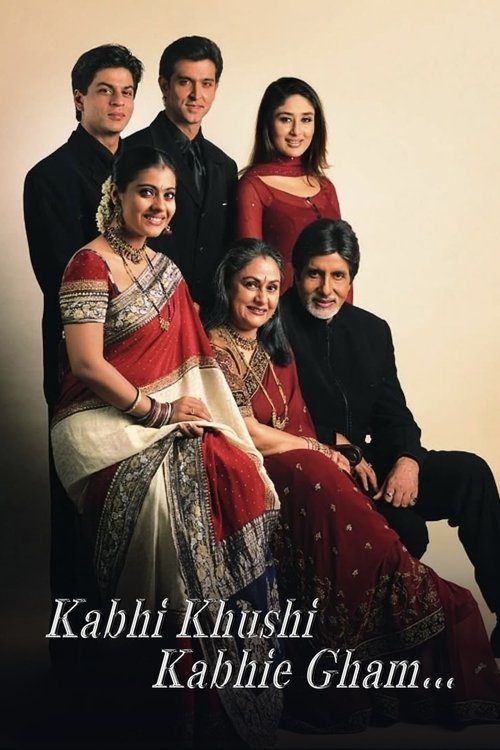
कभी ख़ुशी कभी ग़म
"It's all about loving your parents."
Kabhi Khushi Kabhie Gham - Symbolism & Philosophy
Symbols & Motifs
The Stool/Height Difference
Symbolizes the hierarchy and respect within the family. Rahul often stands on a stool or lower step to be at eye level with his father, or Yash stands higher to assert dominance. The breaking of this visual rule signals shifts in power.
Used in the title song sequence and confrontation scenes where Yash physically looks down on others.
The Tide/Fire
Represents the continuity of tradition (parampara) and the passing of the torch. It is the sacred flame that must be kept burning, symbolizing the family's honor.
Seen in the opening credits and Diwali prayers where the wife hands the aarti plate to the husband.
Nandini's Intuition
Represents the spiritual, unbreakable bond between mother and son that transcends physical distance and the father's laws.
Nandini senses Rahul's arrival (footsteps) before he is even visible, both at the start and during the reunion.
Philosophical Questions
Is unconditional obedience to parents a virtue or a vice?
The film posits that while respect is essential, blind obedience (as shown by Rahul initially) can lead to misery. True virtue lies in parents earning respect through love, not demanding it through status.
Does blood define family?
Yash's rejection of Rahul is rooted in the fact that he is adopted ('not my blood'). The film challenges this by showing that Rahul is more dutiful and loving than a biological son might be, proving family is defined by bonds of affection, not genetics.
Core Meaning
At its heart, Kabhi Khushi Kabhie Gham explores the tension between parampara (tradition) and human connection. While the film initially seems to uphold patriarchal authority, its deeper message is a critique of rigid pride that destroys families. The tagline "It's all about loving your parents" serves as a dual plea: for children to respect their elders, but crucially, for parents to love their children unconditionally, prioritizing their happiness over societal status and ego.