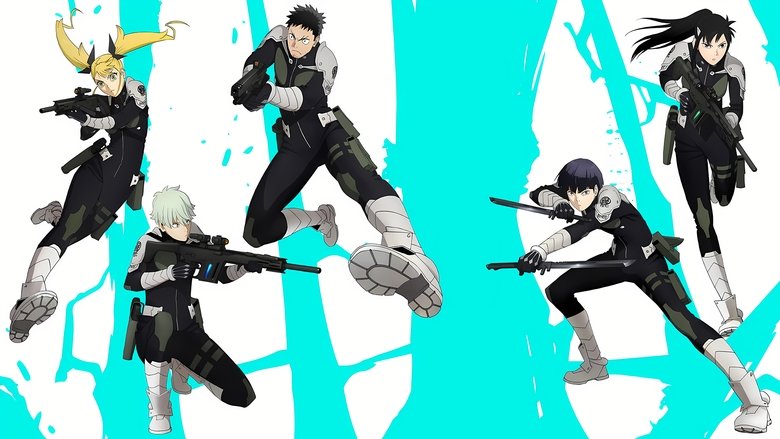
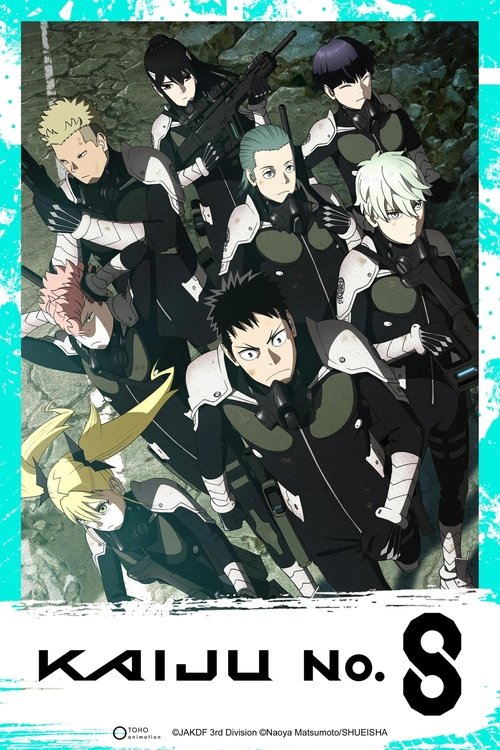
The entire premise of Kaiju No. 8 is built on a series of reveals. The first major twist is in the opening episode: protagonist Kafka Hibino, a 32-year-old Kaiju-cleanup worker, accidentally ingests a parasite and gains the ability to transform into a powerful humanoid Kaiju. He is given the designation 'Kaiju No. 8' by the Defense Force he dreams of joining. His central conflict becomes hiding this secret from his comrades, especially his childhood friend and high-ranking Captain, Mina Ashiro.
Throughout Season 1, Kafka uses his powers secretly to save his fellow recruits, notably the prodigy Kikoru Shinomiya during their entrance exam. This leads to Kikoru becoming the first to learn his secret. A significant mid-season plot point is the introduction of 'Kaiju No. 9,' an intelligent, shapeshifting Kaiju that acts as the main antagonist, capable of creating other monsters and operating with strategic intent.
The season's climax occurs during the Raid on Tachikawa Base. To stop a massive Kaiju bomb from destroying the base and everyone in it, Kafka is forced to transform in front of the entire 3rd Division, including Mina. His secret is completely exposed. Following this, he is captured and taken to Defense Force headquarters. In the finale, he is pitted against the Director General, Isao Shinomiya (Kikoru's father), to prove his humanity. During the fight, Kafka's Kaiju form goes berserk, revealing a more feral consciousness within him. However, he manages to regain control by mentally focusing on his promise to Mina and stabs his own Kaiju core to stop the rampage. This act convinces the Director General that Kafka can control his power and retains his human will. Instead of being executed, he is officially integrated into the Defense Force as a unique asset, setting the stage for his future as a public human-Kaiju weapon. A final shocking reveal from the Director General is that Kafka's human body no longer possesses a heart; it has been replaced entirely by a Kaiju core.