怪獣8号
Kaiju No. 8 - Symbolism & Philosophy
Symbols & Motifs
The Defense Force Uniform
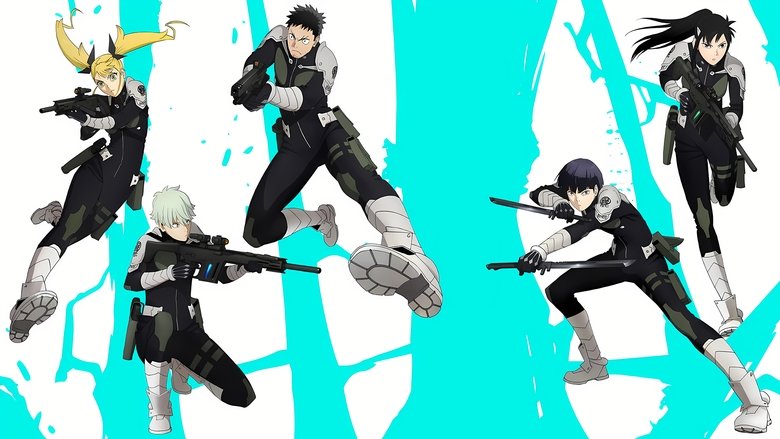
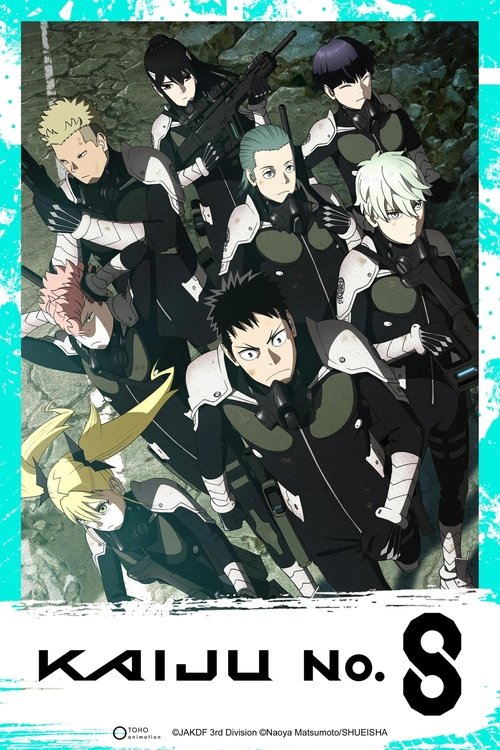
The uniform symbolizes belonging, purpose, and the fulfillment of a dream. For Kafka, it represents everything he has strived for and failed to achieve. Wearing it, even as a cadet, is a tangible sign of his progress and his commitment to protecting others, standing in stark contrast to his Kaiju form.
The uniform is a constant visual motif throughout the series. Kafka's inability to activate his suit initially, showing 0% combat power release, highlights his physical disconnect from the role, forcing him to rely on his knowledge and secret abilities. His eventual acceptance as an official officer is a pivotal moment marked by him rightfully wearing the uniform.
Kafka's Kaiju Form (No. 8)
Kafka's transformation symbolizes his hidden potential and the burden of his secret. It is the physical manifestation of the 'monster' power he needs to achieve his heroic dreams. It represents the idea that strength can come from unexpected, and even frightening, places and challenges the black-and-white perception of 'good guys' versus 'monsters'.
Kafka's transformations are key turning points in the narrative. He first uses it to save Reno, and later to save his fellow recruits during the entrance exam. Each transformation carries the risk of discovery, creating immense tension, particularly when he has to fight in front of his Defense Force comrades.
Kaiju No. 9
Kaiju No. 9 represents an intelligent, insidious form of monstrosity that blurs the lines between human and Kaiju. As a shapeshifting antagonist who operates from the shadows, it symbolizes the hidden threats and the idea that the greatest dangers are not always the most obvious, hulking beasts. It serves as a direct foil to Kafka—a Kaiju trying to be human versus a human who can become a Kaiju.
Kaiju No. 9 is introduced as a humanoid Kaiju that attacks the recruits during their exam. It later appears to assassinate key figures, demonstrating its intelligence and strategic thinking. Its ability to create and command other Kaiju makes it the central antagonist of the first season.
Philosophical Questions
What is the true measure of a hero: inherent ability or the will to act?
The series explores this question through Kafka. Initially, he has the will but lacks the ability, making him a failure in the eyes of the system. Prodigies like Kikoru Shinomiya are born with immense talent. However, Kafka's transformation grants him overwhelming power, yet his most heroic moments are defined by his choice to use it for others despite immense personal risk. The show consistently argues that Kafka's courage, self-sacrifice, and knowledge from his 'lowly' cleaner job are just as heroic as the combat power of the elite soldiers, suggesting that heroism is ultimately a matter of character and choice, not just talent or power.
Does one's past define their future potential?
Kafka Hibino is the embodiment of this question. At 32, he is defined by his past failures to join the Defense Force. Society, and Kafka himself, has written him off. The narrative systematically deconstructs this notion. His past experiences as a cleaner give him unique insights that prove invaluable, and his unexpected transformation shows that potential can emerge at any stage of life. The series champions the idea that it's never too late to redefine oneself and pursue a dream, directly challenging the idea that youth is the sole prerequisite for greatness in the shonen genre.
Core Meaning
The core meaning of Kaiju No. 8 revolves around the themes of perseverance and the pursuit of deferred dreams. It challenges the traditional shonen protagonist mold by featuring a 32-year-old hero, Kafka Hibino, who is grappling with feelings of failure and regret. The series posits that it's never too late to chase one's aspirations and that true strength isn't just about raw power, but about the will to protect others and the courage to face one's own inner 'monsters.' It's a story about second chances, finding one's purpose in unexpected ways, and the idea that heroism is defined by actions and heart, not by age or societal expectations.