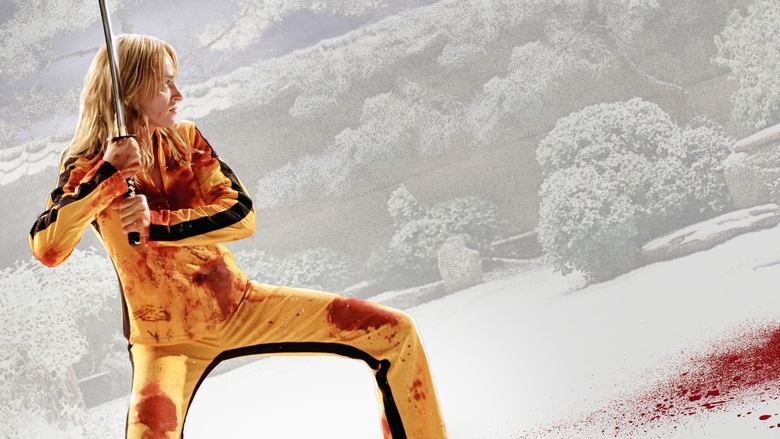

The plot of "Kill Bill: Vol. 1," told non-chronologically, centers on The Bride's revenge. The film opens with the aftermath of the massacre at the Two Pines Wedding Chapel in El Paso, where Bill shoots the pregnant Bride in the head. Four years later, she awakens from a coma, brutally kills a hospital worker and a man who had been sexually exploiting her, and begins her quest.
Her first target is Vernita Green. Their fight is interrupted by Vernita's young daughter, Nikki. After a brief truce, Vernita attempts to shoot The Bride with a hidden gun, but The Bride reacts instantly, killing Vernita with a thrown knife. She then tells Nikki that if she wants revenge when she grows up, she'll be waiting.
The narrative then flashes back, showing The Bride acquiring her legendary sword from Hattori Hanzō in Okinawa. She then travels to Tokyo to kill O-Ren Ishii, now the head of the Yakuza. The film showcases O-Ren's tragic origin in a detailed anime sequence: she witnessed her parents' murder as a child and later exacted her own revenge before becoming a top assassin. The climax occurs at the House of Blue Leaves, where The Bride single-handedly fights and defeats O-Ren's elite squad, the Crazy 88, in a stunningly violent sequence that partially switches to black and white. She then engages O-Ren in a final, poetic duel in a snow-covered garden, killing her by slicing off the top of her scalp.
After the battle, The Bride captures O-Ren's lawyer, Sofie Fatale, tortures her for information about the remaining Vipers, and leaves her alive as a message for Bill. The film's final, crucial twist is revealed in the last moments: Bill asks a mutilated Sofie, "Is she aware her daughter is still alive?" This reveals that The Bride's child survived and has been raised by Bill, completely re-contextualizing her mission and setting the stage for Vol. 2.