Kitbull - Symbolism & Philosophy
Symbols & Motifs
The Cardboard Box
The box symbolizes the kitten's comfort zone and self-imposed isolation. It's a small, confined, but safe space. As the kitten's friendship with the pit bull grows, it spends less time in the box, signifying its willingness to open up to the world.
The kitten initially lives in a cardboard box in the junkyard, defending it fiercely. It represents the emotional walls the kitten has built around itself. Leaving the box to help the pit bull is a major step in its character development.
The Chain
The pit bull's chain represents physical and emotional confinement, oppression, and the trauma of abuse. Breaking free from the chain is a literal and metaphorical act of liberation, symbolizing newfound freedom and the severing of ties with a painful past.
The pit bull is tethered by a heavy chain in the yard. The kitten helps the pit bull escape its collar and the chain at the film's climax, allowing them to flee to safety together.
The Orange Bottle Cap
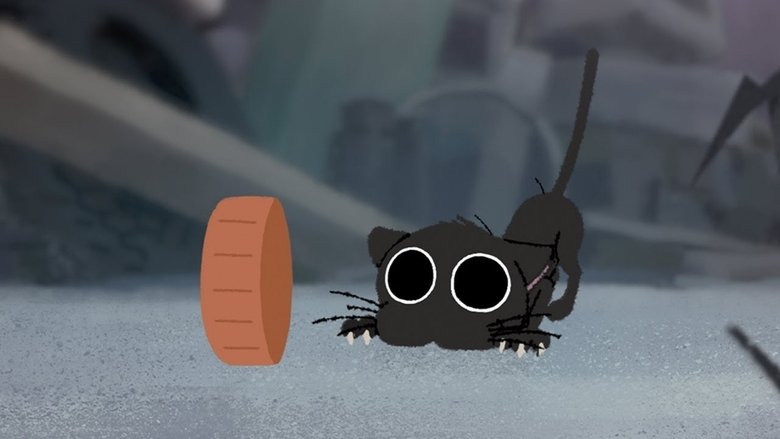
The bottle cap serves as a bridge between the two characters, symbolizing play, communication, and the first spark of their unlikely friendship. It's an object of common ground that helps them overcome their initial fear of one another.
The kitten and pit bull tentatively play with the bottle cap, rolling it back and forth. This simple game is their first positive interaction and a key moment in the development of their bond.
The Pink Stuffed Elephant
The stuffed elephant is a symbol of comfort and a surrogate companion for the lonely kitten before it befriends the pit bull. Leaving it behind signifies that the kitten has found true companionship and no longer needs an inanimate object for solace.
The kitten is shown cuddling with the stuffed elephant inside its cardboard box home. When the kitten and pit bull escape the yard, the elephant is left behind, showing the kitten's growth and its new source of comfort in a living friend.
Philosophical Questions
Can compassion and empathy transcend instinct and fear?
The film explores this question through the initial dynamic between the kitten and the pit bull. The kitten's instinct is to fear the larger animal, and its initial reactions are defensive and aggressive. However, upon witnessing the pit bull's suffering, the kitten's empathetic response overrides its instinct for self-preservation. It chooses to offer comfort and help, suggesting that compassion is a powerful force capable of overcoming deep-seated fear and ingrained behaviors.
What is the source of cruelty and kindness?
"Kitbull" presents a stark contrast between the human owner's cruelty and the innate kindness of the animals. The owner's actions are unexplained, representing a senseless form of abuse. In contrast, the animals, despite their own trauma and fear, demonstrate empathy, loyalty, and affection. The film implicitly asks the viewer to consider these opposing forces, positioning kindness as a natural, healing force and cruelty as an unnatural, destructive one. The final scene, where a different human shows kindness, suggests that these qualities are a choice, and that humans have the capacity for both great harm and great compassion.
Core Meaning
The central message of "Kitbull" is about the transformative power of empathy, compassion, and the formation of unlikely friendships. Director Rosana Sullivan wanted to explore the idea of stepping out of one's comfort zone to connect with others, even when it's frightening. The film challenges viewers to look beyond preconceived notions and stereotypes, particularly regarding pit bulls, and highlights the devastating reality of animal abuse. Ultimately, it is a story that champions the idea that connection and vulnerability can lead to healing and liberation from trauma.