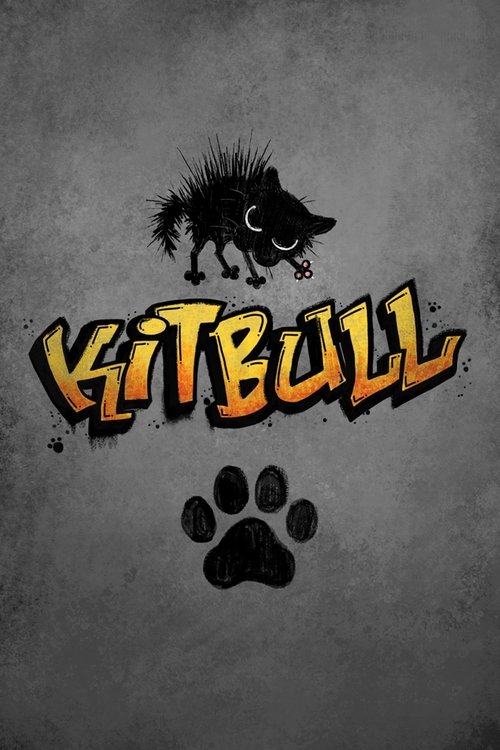
Kitbull
Overview
"Kitbull" is a traditionally animated short film from Pixar's SparkShorts program. It tells the story of a small, independent stray kitten living in a cardboard box in a San Francisco junkyard. The kitten's solitary life is disrupted by the arrival of a friendly pit bull who is moved into the yard by his owner.
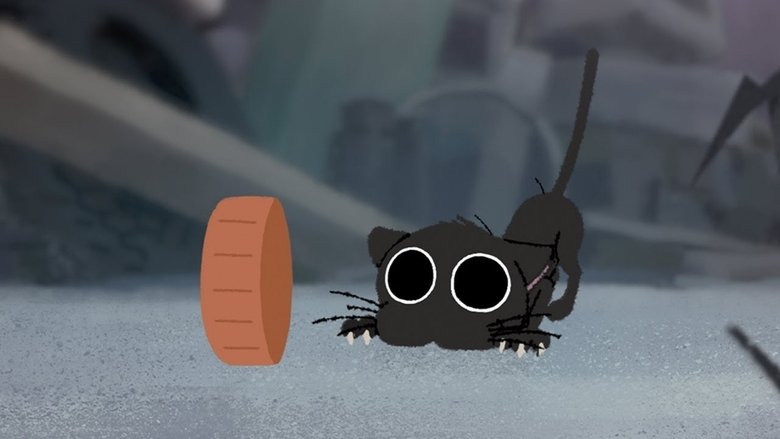
Initially, the kitten is fearful and aggressive towards the much larger dog. However, through small gestures, like playing with a bottle cap, a tentative bond begins to form. The kitten soon witnesses the pit bull's abuse at the hands of its owner, leading to a profound shift in their relationship as empathy and friendship blossom in the face of cruelty.
Core Meaning
The central message of "Kitbull" is about the transformative power of empathy, compassion, and the formation of unlikely friendships. Director Rosana Sullivan wanted to explore the idea of stepping out of one's comfort zone to connect with others, even when it's frightening. The film challenges viewers to look beyond preconceived notions and stereotypes, particularly regarding pit bulls, and highlights the devastating reality of animal abuse. Ultimately, it is a story that champions the idea that connection and vulnerability can lead to healing and liberation from trauma.
Thematic DNA
The Healing Power of Friendship
The core of the film is the development of the relationship between the kitten and the pit bull. Both characters come from backgrounds of neglect and isolation. Their initial fear and mistrust give way to a deep bond that provides comfort and ultimately saves them. This friendship becomes a source of healing for the pit bull's physical and emotional wounds and helps the kitten overcome its own fear and solitude.
Animal Abuse and Welfare
"Kitbull" directly confronts the harsh reality of animal cruelty. The film doesn't shy away from showing the pit bull's injuries and fear after being forced to fight, sparking conversations about the responsibilities of pet ownership and the consequences of neglect and violence. It serves as a powerful, non-verbal plea for animal welfare and encourages empathy for abused animals.
Overcoming Prejudice and Stereotypes
The film addresses the negative stereotypes often associated with pit bulls. The pit bull is initially perceived as a threat by the kitten, mirroring societal prejudice. However, his gentle and friendly nature is revealed, challenging these biases. The film suggests that true character is not defined by appearance or reputation, but by actions and heart.
Vulnerability and Trust
Both the kitten and the pit bull must learn to be vulnerable to form a connection. For the kitten, it means stepping out of its self-imposed isolation. For the pit bull, it involves trusting another being despite the abuse it has suffered. Their journey illustrates that building trust is a gradual process and that true friendship requires emotional openness.
Character Analysis
Kitten
N/A (No Dialogue)
Motivation
Initially motivated by survival and self-preservation, the kitten's motivation shifts to companionship and empathy after connecting with the pit bull.
Character Arc
The kitten begins as a fiercely independent and solitary creature, mistrustful of everyone. Its initial interactions with the pit bull are characterized by fear and aggression. Through witnessing the dog's gentle nature and subsequent abuse, the kitten's fear turns to empathy. It ultimately risks its own safety to help the pit bull escape, transforming from an isolated loner into a loyal and compassionate friend.
Pit Bull
N/A (No Dialogue)
Motivation
The pit bull is motivated by a deep desire for connection, friendship, and affection, which it has been denied by its abusive owner.
Character Arc
The pit bull is introduced as a seemingly intimidating animal, but is quickly revealed to be a friendly and gentle soul who craves affection. Despite being a victim of severe abuse, it maintains a hopeful and loving nature. Its arc is one of suffering and endurance, culminating in its liberation through the help of its small friend, finding hope and a loving home after immense hardship.
Symbols & Motifs
The Cardboard Box
The box symbolizes the kitten's comfort zone and self-imposed isolation. It's a small, confined, but safe space. As the kitten's friendship with the pit bull grows, it spends less time in the box, signifying its willingness to open up to the world.
The kitten initially lives in a cardboard box in the junkyard, defending it fiercely. It represents the emotional walls the kitten has built around itself. Leaving the box to help the pit bull is a major step in its character development.
The Chain
The pit bull's chain represents physical and emotional confinement, oppression, and the trauma of abuse. Breaking free from the chain is a literal and metaphorical act of liberation, symbolizing newfound freedom and the severing of ties with a painful past.
The pit bull is tethered by a heavy chain in the yard. The kitten helps the pit bull escape its collar and the chain at the film's climax, allowing them to flee to safety together.
The Orange Bottle Cap
The bottle cap serves as a bridge between the two characters, symbolizing play, communication, and the first spark of their unlikely friendship. It's an object of common ground that helps them overcome their initial fear of one another.
The kitten and pit bull tentatively play with the bottle cap, rolling it back and forth. This simple game is their first positive interaction and a key moment in the development of their bond.
The Pink Stuffed Elephant
The stuffed elephant is a symbol of comfort and a surrogate companion for the lonely kitten before it befriends the pit bull. Leaving it behind signifies that the kitten has found true companionship and no longer needs an inanimate object for solace.
The kitten is shown cuddling with the stuffed elephant inside its cardboard box home. When the kitten and pit bull escape the yard, the elephant is left behind, showing the kitten's growth and its new source of comfort in a living friend.
Philosophical Questions
Can compassion and empathy transcend instinct and fear?
The film explores this question through the initial dynamic between the kitten and the pit bull. The kitten's instinct is to fear the larger animal, and its initial reactions are defensive and aggressive. However, upon witnessing the pit bull's suffering, the kitten's empathetic response overrides its instinct for self-preservation. It chooses to offer comfort and help, suggesting that compassion is a powerful force capable of overcoming deep-seated fear and ingrained behaviors.
What is the source of cruelty and kindness?
"Kitbull" presents a stark contrast between the human owner's cruelty and the innate kindness of the animals. The owner's actions are unexplained, representing a senseless form of abuse. In contrast, the animals, despite their own trauma and fear, demonstrate empathy, loyalty, and affection. The film implicitly asks the viewer to consider these opposing forces, positioning kindness as a natural, healing force and cruelty as an unnatural, destructive one. The final scene, where a different human shows kindness, suggests that these qualities are a choice, and that humans have the capacity for both great harm and great compassion.
Alternative Interpretations
While the primary interpretation of "Kitbull" focuses on animal friendship and welfare, some analyses have suggested more metaphorical readings. One interpretation views the film as an allegory for overcoming social barriers and prejudice in human society. The fence separating the kitten and the pit bull can be seen as a symbol of the walls people build between themselves, whether due to fear, stereotypes, or social conditioning. Their eventual connection represents the possibility of bridging these divides through empathy and understanding.
Another reading focuses on the film as a commentary on the nature of trauma and recovery. Both characters are victims in their own right—the kitten of neglect and a harsh environment, the pit bull of direct abuse. Their healing process begins not in isolation, but through their connection with each other, suggesting that mutual support and compassion are essential for overcoming past wounds.
Cultural Impact
"Kitbull," as part of Pixar's SparkShorts program, represented a move by the studio to explore different animation styles and give opportunities to new creative voices. Its 2D, hand-drawn aesthetic was a significant departure from Pixar's signature 3D animation and was praised for its charm and expressiveness, demonstrating the continued power of traditional animation. The film was widely acclaimed by critics and audiences for its emotional depth and powerful storytelling without dialogue. It received an Academy Award nomination for Best Animated Short Film.
The short had a significant cultural conversation around animal welfare. It brought the issue of animal abuse, specifically dog fighting, to a large audience in a raw and accessible way. Furthermore, it actively worked to counteract the negative stereotypes surrounding pit bulls, portraying the dog as a gentle and loving victim of human cruelty. Many viewers and critics noted the film's potential to spark meaningful conversations about the breed's reputation and the importance of animal adoption.
Audience Reception
"Kitbull" was met with an overwhelmingly positive and emotional response from audiences. Viewers frequently described the short as "heartwarming," "moving," and "tear-jerking." The emotional impact of the story, told without any dialogue, was a major point of praise. Many viewers shared on social media that the film made them cry, particularly the scenes depicting the animals' budding friendship and the pit bull's abuse and subsequent comfort from the kitten. The film's challenging of negative stereotypes against pit bulls was also widely commended by audiences, especially by owners of the breed. The hand-drawn animation style was another aspect that audiences praised for its beauty and effectiveness in conveying emotion.
Interesting Facts
- The creation of the short film originated from director Rosana Sullivan's enjoyment of watching cat videos as a way to cope with stress.
- "Kitbull" is notable for being one of Pixar's first fully hand-drawn, 2D animated shorts, a departure from the studio's famous 3D CGI style.
- The director, Rosana Sullivan, was a story artist on other Pixar films like "The Good Dinosaur" and "Incredibles 2".
- The film's setting is inspired by the Mission District in San Francisco, where the director first lived when she moved to the city.
- Sullivan has stated that she personally identified with the shy kitten, having had difficulty forming friendships as a child.
- The production timeline for the short was approximately six months.
- "Kitbull" was nominated for the Academy Award for Best Animated Short Film at the 92nd Academy Awards.
⚠️ Spoiler Analysis
Click to reveal detailed analysis with spoilers
Frequently Asked Questions
Explore More About This Movie
Dive deeper into specific aspects of the movie with our detailed analysis pages
Comments (0)
No comments yet. Be the first to share your thoughts!