"Welcome to the jingle."
Klaus - Symbolism & Philosophy
Symbols & Motifs
Toys
The handmade wooden toys symbolize hope, joy, and the innocence of childhood. In a town devoid of happiness, they are the catalysts for change. They also represent Klaus's lost dreams of fatherhood, which are transformed into a legacy of generosity for all children.
Klaus's cabin is filled with toys he created for the children he and his wife hoped to have. These toys become the gifts that he and Jesper deliver, sparking acts of kindness among the children of Smeerensburg and eventually leading to the town's transformation.
Letters
Letters symbolize communication, connection, and the expression of desire and hope. In Smeerensburg, the lack of letter-writing signifies the town's deep-seated division and apathy. The act of children writing letters to Klaus represents a newfound hope and a bridge across the community's emotional divide.
Jesper's mission is to post 6,000 letters. He cleverly turns this selfish goal into a system where children write to Klaus to ask for toys. This initiative not only helps him reach his quota but also revives the school, as children need to learn to read and write, thereby restoring communication and education in the town.
The Wind and Swirling Leaves
The recurring visual of wind and swirling leaves represents the spiritual presence of Klaus's late wife, Lydia, and a gentle, guiding magic. It symbolizes destiny and the invisible forces that connect people and guide them towards their true purpose.
The magical wind appears at key moments. It first guides Klaus to Jesper, hinting at a new path. Years later, after their work is done, the same swirling wind appears to lead Klaus away, suggesting he is being reunited with his wife in the afterlife.
Smeerensburg's Color Palette
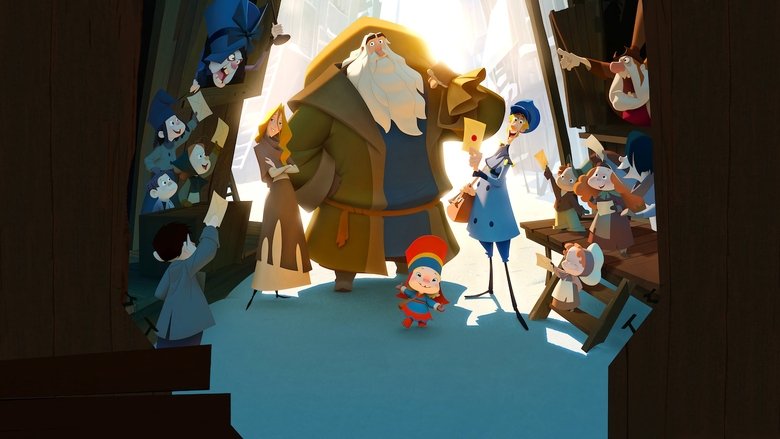
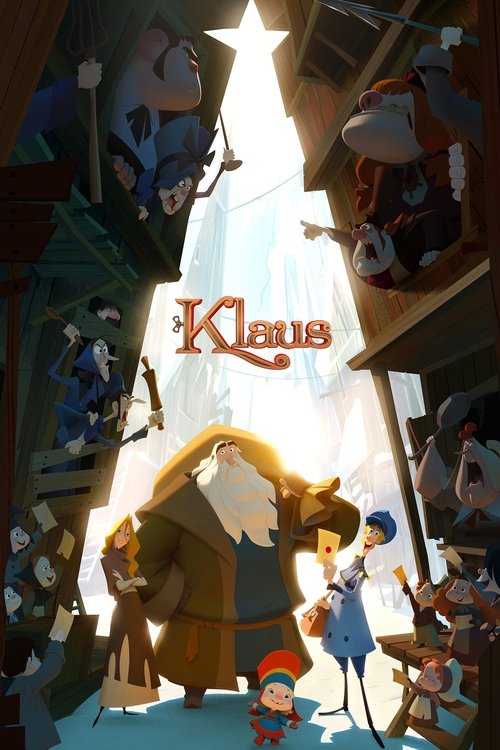
The town's color palette is a visual metaphor for its emotional state. Initially drab, gray, and monochromatic, it symbolizes the misery, conflict, and lack of joy among the townspeople. As kindness spreads, the colors become warmer and more vibrant, reflecting the town's transformation.
When Jesper first arrives, Smeerensburg is depicted in striking foggy monochrome, with sarcastic ferryman Mogens noting, "You should see it in the spring... That's when those greys really pop". As Jesper and Klaus's actions bring happiness, the town is gradually infused with color, light, and warmth, visually representing the end of the feud and the dawn of a new, joyful era.
Philosophical Questions
Does the motivation behind a good deed matter if the outcome is positive?
The film delves into this question through Jesper's character arc. His initial actions are entirely selfish—he facilitates the toy delivery system solely to generate 6,000 letters and escape Smeerensburg. Yet, these selfishly motivated actions lead to overwhelmingly positive outcomes: children become happy, the town's feud begins to dissolve, and community spirit is born. The narrative suggests that while the initial intent may be flawed, the act of doing good can itself be transformative for the doer. Jesper doesn't remain selfish; the positive consequences of his actions change him, and he eventually embraces selflessness for its own sake. The film seems to argue that while pure intentions are the ideal, even 'impure' good deeds can start a chain reaction that ultimately leads to genuine altruism.
Can deeply ingrained hatred and tradition be overcome by simple acts of kindness?
Smeerensburg is defined by a "centuries of glorious hatred" between its two main families, a tradition so ingrained it dictates every aspect of life. The film presents a powerful argument that such deep-seated animosity can indeed be dismantled, not by grand gestures or force, but by a grassroots movement of simple kindness. The delivery of toys to children creates a ripple effect; happy children begin to play together and do good deeds, which in turn forces their parents to interact and cooperate. The film posits an optimistic view of human nature, suggesting that the universal desire for joy and connection, especially for one's children, is a more powerful force than inherited hatred.
What is the nature of legacy and immortality?
The film explores legacy through Klaus's story. He begins as a man haunted by a personal tragedy—the inability to have children and the loss of his wife. The toys he made represent a legacy he thought he'd never have. By giving them away, he transforms his personal grief into a public gift. His legacy is not a bloodline, but the tradition of generosity he creates. The film's ambiguous ending—where Klaus vanishes to be with his wife but returns in spirit every Christmas—poses questions about immortality. It suggests that one becomes immortal not by living forever, but by creating a powerful, positive idea or tradition that is carried on by others, ensuring one's spirit and values endure long after they are gone.
Core Meaning
The core meaning of "Klaus" revolves around the idea that a single, selfless act can spark immense change and overcome deep-seated hatred and apathy. Director Sergio Pablos wanted to explore how generosity, even when initially motivated by selfish reasons, can transform individuals and an entire community. The film posits that the spirit of Christmas wasn't born from magic, but from the simple, human capacity for kindness. It carries a powerful message that our actions, no matter how small, can have a ripple effect, fostering compassion, unity, and hope in the darkest of places.