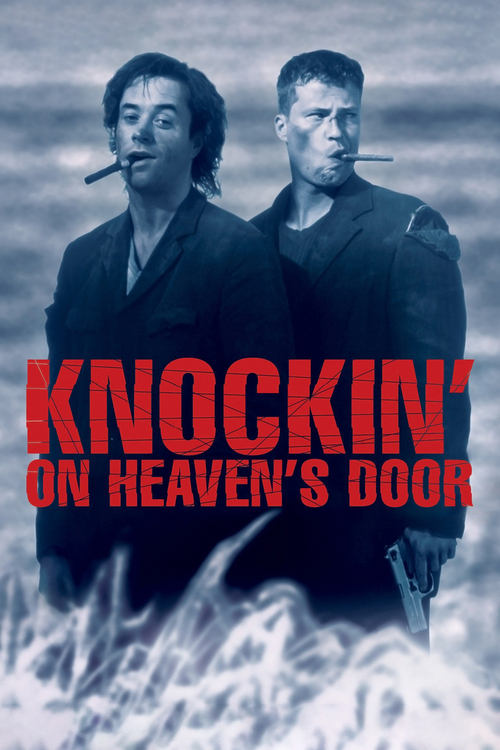
Knockin' on Heaven's Door - Symbolism & Philosophy
Symbols & Motifs
The Ocean
Symbolizes the afterlife, eternal peace, and the admission ticket to heaven. It represents the only thing that truly matters when one's life is over.
referenced constantly in dialogue, particularly the monologue about souls in heaven talking about the sunset. It is the visual bookend of the film.
The Baby Blue Mercedes 230 SL
Represents freedom, style, and the vehicle of transition between life and death. It's a 'chariot' that carries them to their final destination.
The car they steal to escape the hospital, which ironically belongs to the mob boss, linking their freedom to danger.
Tequila, Salt, and Lemon
A ritual of bonding and hedonism. It symbolizes the taste of life—bitter, salty, and intoxicating—consumed in a single gulp.
Used in the hospital kitchen scene where they first bond and decide to leave, and again at the very end as a final sacrament before death.
The List of Wishes
Symbolizes the unfulfilled potential of a life lived in fear. Checking items off is an act of reclaiming their lost time.
Rudi writes a wish list which they attempt to complete during their crime spree, including sleeping with two women at once and buying a pink Cadillac.
Philosophical Questions
What constitutes a 'good' death?
The film explores whether the manner of one's death defines the value of their life. It suggests that dying while actively pursuing a dream is superior to fading away in a hospital, redefining a 'good death' as one of agency and fulfillment.
Is morality relative in the face of death?
Martin and Rudi break numerous laws (theft, kidnapping, robbery), yet the film frames them as moral heroes. It questions whether societal laws apply to those who have no future, suggesting a higher moral law based on fulfilling the soul's needs.
Core Meaning
The film serves as a modern memento mori, delivering the powerful message that life is meant to be lived, not just survived. Director Thomas Jahn uses the impending death of the protagonists not to evoke pity, but to strip away societal fears and inhibitions. The core meaning is encapsulated in the recurring motif that at the end of life, the only things that matter are the experiences we've collected and the dreams we've fulfilled. It posits that fear is irrelevant in the face of death, and true freedom comes from accepting one's mortality.