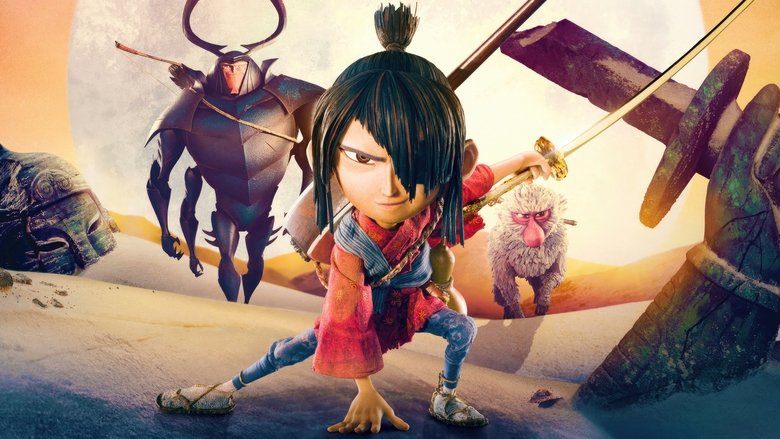
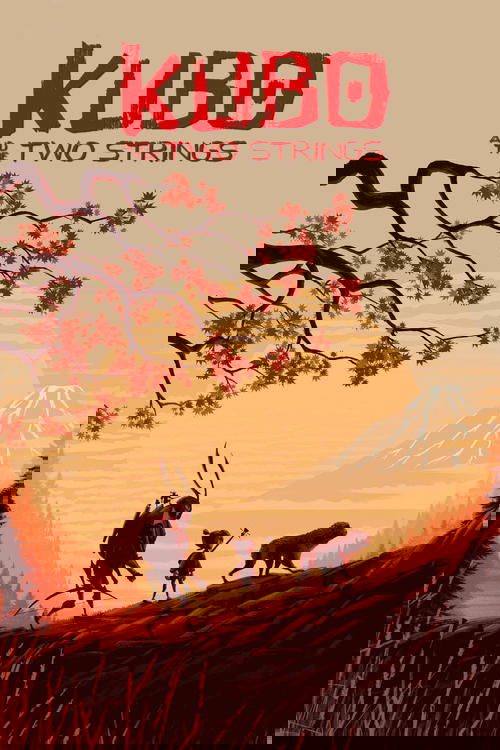
"Be bold. Be brave. Be epic."
Kubo and the Two Strings - Symbolism & Philosophy
Symbols & Motifs
The Shamisen
Kubo's magical instrument symbolizes the power of art, music, and narrative to influence the world [1.1].
Used throughout the film by Kubo to control origami, and in the climax to channel the spirits and memories of the village's ancestors against the Moon King.
The Left Eye
Kubo's missing eye represents humanity's ability to see the world with love, empathy, and emotional vulnerability. The Moon King wants Kubo's remaining eye to make him 'blind to humanity'.
A central plot point; the Moon King and the Sisters constantly pursue Kubo to take his remaining eye and bring him to the cold heavens.
Origami
The delicate paper figures represent the fragile yet enduring nature of memories and tales. They are ephemeral but can be reshaped and brought to life, mirroring how stories are passed down.
Kubo uses origami to tell stories in the village, and the origami figure of 'Little Hanzo' literally guides him on his quest.
The Three Pieces of Armor
The Sword Unbreakable, the Breastplate Impenetrable, and the Helmet Invulnerable represent the traditional hero's journey items. However, they are ultimately a misdirection, symbolizing that physical defense cannot defeat profound emotional emptiness.
The driving MacGuffins of the plot, which Kubo collects but eventually abandons in favor of his shamisen during the final pacifistic battle.
Philosophical Questions
Is it ethical to erase someone's memory to make them a better person?
The film's ending sees the villagers convincing the amnesiac Moon King that he is a good man [1.7]. This raises the philosophical question of whether identity is rooted in our past actions and memories, and whether imposing a 'good' but false narrative onto someone is an act of merciful rehabilitation or an unethical erasure of their true self.
Why must human existence include pain and suffering?
The Moon King offers Kubo a life of immortal perfection in the heavens, but it requires giving up his humanity and his ability to feel empathy and grief. The film argues that pain and loss are essential components of love, and that a flawed, painful mortal life is preferable to a cold, unfeeling eternity.
Do the dead truly survive through our memories of them?
Through the motif of storytelling and the Obon festival, the film explores the idea of secular and spiritual immortality. It posits that people are never truly gone as long as their stories are told, framing memory as a tangible, protective magic against the void of death.
Core Meaning
The director, Travis Knight, uses Kubo and the Two Strings to explore the transformative power of storytelling and the necessity of confronting grief. The film posits that memories of our loved ones are the most potent magic we possess. Rather than running from the pain of loss, embracing those memories allows the dead to live on within us, providing the strength to face an often cruel world with compassion and humanity.