La Familia del Barrio - Symbolism & Philosophy
Philosophical Questions
Is family defined by love and support, or merely by co-dependence and circumstance?
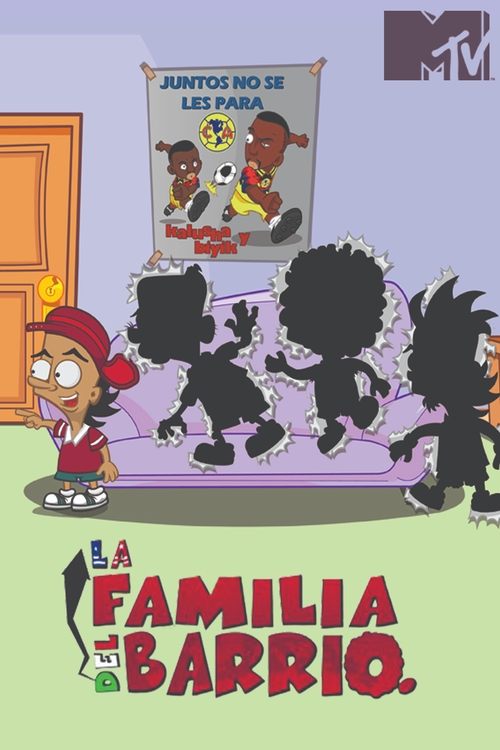
The series constantly challenges the traditional notion of a loving family. The Barrio household operates on a foundation of mutual exploitation, insults, and selfishness. Yet, the members are inextricably linked and function as a unit, however chaotically. The show explores whether this forced proximity and deep-seated co-dependence, devoid of conventional affection, can still be defined as "family." Do their occasional, fleeting moments of solidarity in the face of external threats give their toxic relationship a twisted sort of validity?
To what extent is an individual a product of their dysfunctional environment?
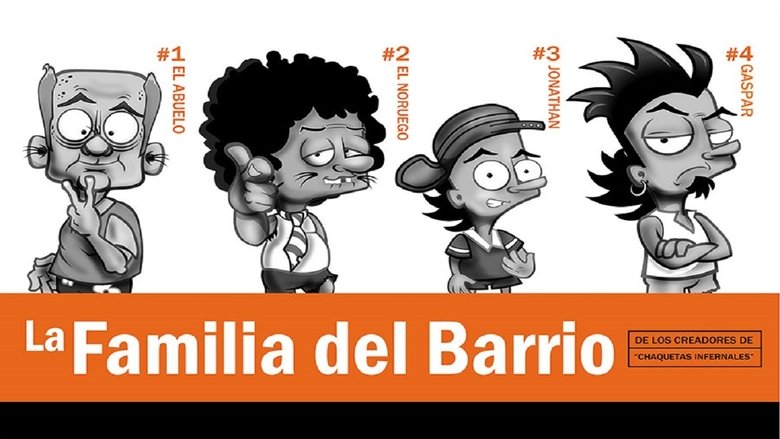
"La Familia del Barrio" presents characters who are deeply flawed. El Abuelo is depraved, and El Noruego is pathologically lazy. The series raises the question of whether these characters are inherently corrupt or if their behavior is a rational, albeit extreme, response to a life of poverty, marginalization, and lack of opportunity. Is their embrace of hedonism and irresponsibility a form of rebellion against a system that has offered them nothing, or is it simply a personal moral failing? The show uses their absurd lives to blur the line between personal choice and environmental determinism.
Core Meaning
At its core, "La Familia del Barrio" serves as a biting social satire, using a dysfunctional family as a microcosm to critique and parody the idiosyncrasies of Mexican working-class life. The creators, Teco Lebrija and Arturo Navarro, use black humor and often grotesque situations to explore themes of poverty, ignorance, corruption, and the erosion of traditional family values in modern society. Through its crude exterior, the series delivers a commentary on how people with limited opportunities navigate a chaotic world, often with absurd and self-destructive coping mechanisms. The underlying message is a raw reflection of societal flaws, suggesting that while the family's actions are outrageous, they are products of a larger, equally absurd environment. Despite the constant insults and selfish behavior, there are fleeting moments of loyalty and fraternity, suggesting a twisted, unbreakable bond that holds this chaotic unit together.