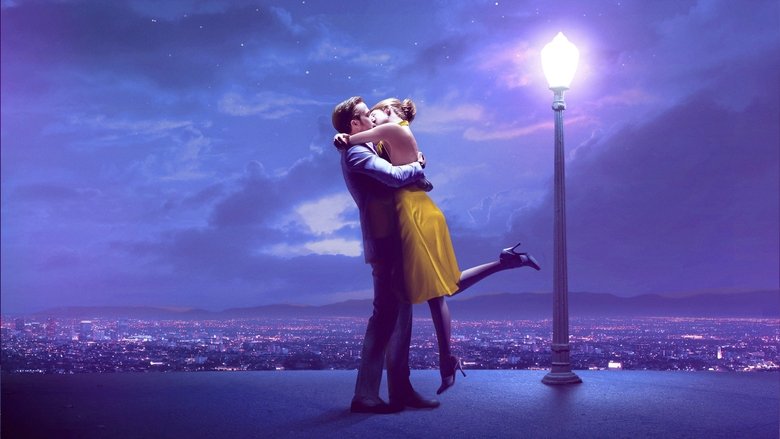
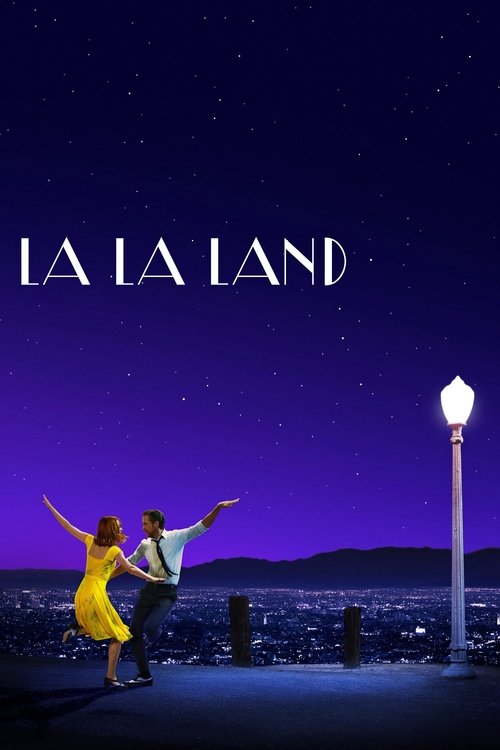
The central twist of "La La Land" is its subversion of the classic Hollywood happy ending. After a year together, Mia's career takes off with a role that requires her to move to Paris. She and Sebastian confess their eternal love but agree to part ways to pursue their dreams, leaving their future uncertain.
The film then jumps forward five years. Mia is now a famous actress, happily married to another man, David (Tom Everett Scott), and has a young daughter. One night, she and her husband stumble into a jazz club, which Mia realizes is Sebastian's long-held dream, finally brought to life. He has named it "Seb's," the name she suggested. Sebastian sees her in the audience, and as he begins to play their love theme on the piano, the film launches into a nearly 10-minute, dialogue-free epilogue. This fantasy sequence reimagines their entire story, showing a perfect life they could have had together had their first kiss been more immediate and their paths never diverged. In this dream, they marry, have a family, and grow old together, all while achieving their professional goals.
The fantasy ends, and we return to the jazz club. Mia, moved to tears, gets up to leave with her husband. Before she exits, she shares one last look with Sebastian—a silent, knowing smile of gratitude, love, and acceptance. He nods in return. This final look confirms that while they chose their dreams over each other, there is no bitterness. They are acknowledging the profound and beautiful role they played in each other's lives, understanding that their sacrifice was necessary for them to become the fulfilled people they are now. The hidden meaning is that their love story was not a failure, but the very foundation of their individual successes.