"Here's to the fools who dream."
La La Land - Symbolism & Philosophy
Symbols & Motifs
Color Palette
The vibrant, saturated colors, particularly primary colors like blue, yellow, and red, are used to reflect the characters' emotions and the film's heightened, dreamlike reality. Director Damien Chazelle and cinematographer Linus Sandgren used specific color palettes for different scenes to convey meaning; for example, blue often signifies creativity and romance, while warmer tones represent nostalgia and the peak of the characters' love.
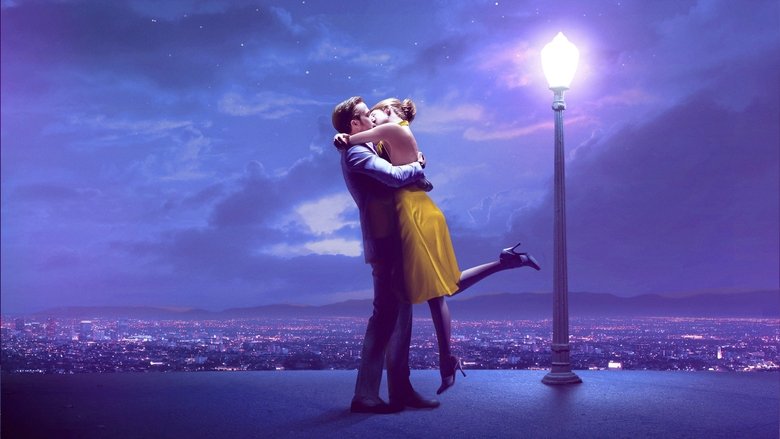
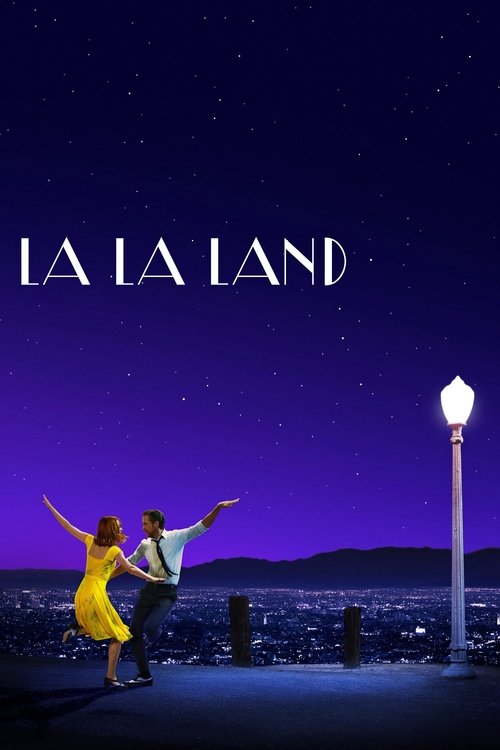
Color is a dominant feature throughout the film. Mia's brightly colored dresses in the early musical numbers stand out against the backdrop of L.A. The magical twilight sky during the "A Lovely Night" dance sequence uses purples and blues to create a romantic, ethereal mood. The lighting in key scenes, like the green spotlight during their "City of Stars" duet, is intentionally theatrical and symbolic.
The Seasons
The film's narrative is structured around the four seasons, starting with Winter and ending five years later in another Winter. Each season represents a distinct phase of Mia and Sebastian's relationship and their professional journeys: Winter for their initial, somewhat cold encounters; Spring for their blossoming romance; Summer for the peak of their love and success; and Fall for the decline and eventual end of their relationship.
On-screen titles announce the beginning of each new season, mirroring a technique from the classic musical "The Umbrellas of Cherbourg." The progression through the seasons provides a clear structural arc for the story, mapping the characters' emotional and professional highs and lows over the course of a year, before the final time jump.
Seb's Jazz Club
The jazz club, which Sebastian dreams of opening, symbolizes the ultimate realization of artistic dreams and integrity. It represents a space where art can exist in its purest form, uncompromised by commercial demands. For Mia, the name she suggests, "Seb's," symbolizes her belief in him and her lasting impact on his life, even after they part ways.
The club is a recurring topic of conversation between Mia and Sebastian. Initially, it is just an idea, a dream. In the end, five years later, Mia stumbles into the club, now a reality named "Seb's," featuring the logo she designed. This discovery triggers the film's final, poignant "what if" montage.
Spotlights
The use of theatrical spotlights in non-theatrical settings symbolizes moments where fantasy and reality blur. It isolates Mia and Sebastian, emphasizing that in these key emotional moments, they are the sole focus, as if they are on a stage. It highlights the performative nature of their dreams and their romance within the larger stage of Los Angeles.
During their dance at the Griffith Observatory, a spotlight finds them as they waltz among the stars, literally elevating their romance to a fantastical plane. When Sebastian plays their theme in the restaurant, a single spotlight illuminates him, capturing Mia's attention and signaling a pivotal moment. This motif is used to visually represent the magic and heightened emotion they experience together.
Philosophical Questions
Is it possible to achieve both ultimate professional success and lasting romantic fulfillment, or does one inevitably come at the expense of the other?
The film explores this question through the central conflict between Mia and Sebastian's careers and their relationship. In their case, the paths to their respective dreams diverge geographically and emotionally. The film's conclusion, where they are both successful but no longer together, strongly suggests that a sacrifice was necessary. The final fantasy montage presents an idealized version where they have both, but even that vision is tinged with the knowledge that it is not reality. The film doesn't offer a definitive answer for everyone, but in the specific world of these two ambitious artists, it portrays their love and their dreams as ultimately incompatible forces.
What is the role of nostalgia in art and life?
Sebastian's character is a vessel for this question. His staunch traditionalism and desire to preserve the past of jazz are both his greatest passion and his biggest obstacle. The film asks whether holding onto the past is a noble act of preservation or a refusal to engage with the future. Keith's character offers the counter-argument that art must evolve to stay alive. The film's own aesthetic, which lovingly recreates the style of old musicals to tell a modern story, suggests a middle ground: that we can draw inspiration and beauty from the past to create something new and relevant for the present.
What defines a 'successful' relationship?
"La La Land" challenges the conventional definition of a successful relationship as one that lasts forever. Mia and Sebastian's romance ends, yet the film frames it as profoundly successful and important. Their time together was transformative; they inspired each other, believed in each other when no one else did, and were arguably the catalysts for each other's eventual success. The film suggests that the value of a relationship can be measured by its impact and the growth it fosters, rather than its longevity. Their story is a "happy ending" in that both characters are happy, even if they aren't together.
Core Meaning
"La La Land" is a poignant exploration of the conflict between dreams and reality, and the sacrifices often required to achieve personal and professional fulfillment. Director Damien Chazelle wanted to create a personal film that captures both the romantic allure and the harsh, lonely environment of Los Angeles for aspiring artists. The film serves as a tribute to the "fools who dream," celebrating the audacity of chasing unrealistic ambitions even when faced with failure. Ultimately, it poses a bittersweet question about the cost of success: can love and personal dreams coexist, or must one be sacrificed for the other? The film suggests that while some relationships may not last, their impact can be profound and essential in helping individuals become who they are meant to be.