La notte
"A new genre of motion picture... to make you think and feel."
Director: Michelangelo Antonioni
Cast: Marcello Mastroianni, Jeanne Moreau, Monica Vitti, Bernhard Wicki, Rosy Mazzacurati
La Notte — Characters & Cast
Character Analysis
Giovanni Pontano
Marcello Mastroianni
Motivation
His primary motivation is to escape his existential boredom and creative impotence. He seeks validation and distraction through fleeting flirtations and the prospect of a lucrative but soul-crushing job, all while avoiding direct confrontation with his marital failure.
Character Arc
Giovanni begins the film as a celebrated but spiritually adrift writer. Throughout the night, his detachment and casual infidelity reveal a deep-seated crisis of meaning. He moves from a state of passive dissatisfaction to a desperate, last-ditch attempt to reclaim a love he no longer recognizes, ending in a state of pathetic uncertainty.
Lidia Pontano
Jeanne Moreau
Motivation
Lidia is motivated by a desperate need to feel something real and to understand how her life and marriage have arrived at this empty place. She revisits the past and observes the present, searching for a sign of life or a reason to continue.
Character Arc
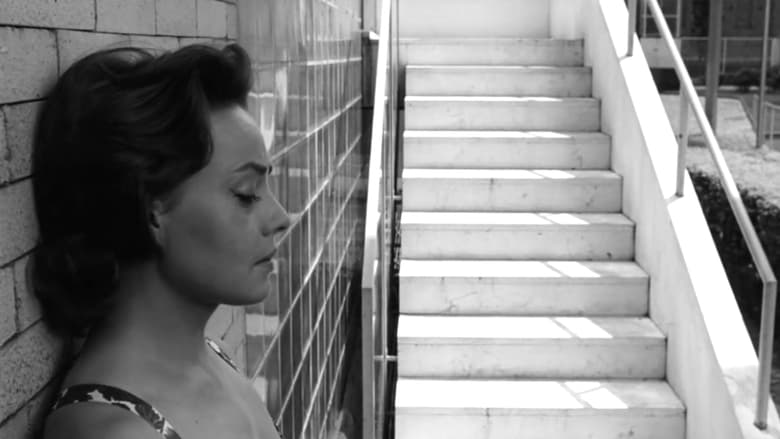
Lidia is the film's emotional core. Initially presented as Giovanni's quiet, embittered wife, her long, solitary walk through Milan reveals her inner turmoil and search for meaning. She moves from silent suffering and resignation to a painful, clear-eyed articulation of the death of her love, confronting the truth that Giovanni tries to evade.
Valentina Gherardini
Monica Vitti
Motivation
Valentina is motivated by a desire for authenticity in a world of artifice. She engages in playful games and intellectual conversation but is ultimately searching for genuine connection, which she senses is absent in Giovanni.
Character Arc
Valentina is the intelligent, alluring, and equally disillusioned daughter of the wealthy host. She enters the narrative as a potential object of Giovanni's desire but reveals her own depth and weariness with the superficial world she inhabits. She acts as a mirror to both Giovanni and Lidia, ultimately rejecting the meaningless affair Giovanni proposes and showing solidarity with Lidia.
Tommaso Garani
Bernhard Wicki
Motivation
His motivation in his final moments is to connect honestly with his friends, praising Giovanni's work while being acutely aware of his own mortality. He represents a past where things, including love and friendship, had more meaning.
Character Arc
Tommaso's presence is brief but his arc is central to the film's theme. He is a man of integrity and a dear friend from the couple's past who is now facing death. His physical decline parallels the emotional death of the central relationship, and his passing serves as the final catalyst for Lidia's emotional breakdown.
Cast
Explore More About This Movie
Dive deeper into specific aspects of the movie with our detailed analysis pages