晩春
Director: Yasujirō Ozu
Cast: Chishū Ryū, Setsuko Hara, Yumeji Tsukioka, Haruko Sugimura, Hōhi Aoki
Late Spring — Characters & Cast
Character Analysis
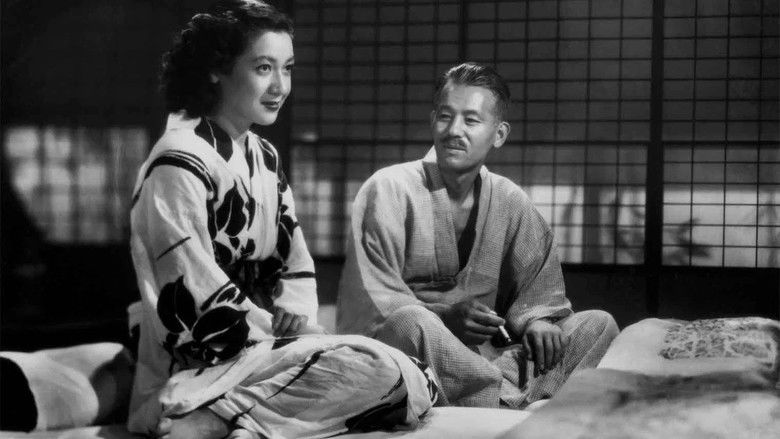
Noriko Somiya
Setsuko Hara
Motivation
Her primary motivation is the love and care for her father. She wishes to prevent him from being lonely and helpless, a desire so strong that she initially rejects all notions of marriage. Her eventual decision to marry is motivated by the belief that it is the only way to allow her father to move on with his own life.
Character Arc
Noriko begins in a state of contentment, perfectly happy to devote her life to caring for her widowed father. Her arc is one of reluctant acceptance and sacrifice. Pushed by societal expectations and her father's perceived desire to remarry, she foregoes her own happiness for what she believes is her duty, transitioning from a state of blissful domesticity to a future of quiet, heartbreaking resignation.
Shukichi Somiya
Chishū Ryū
Motivation
Shukichi is motivated by a deep-seated belief in the natural order of life—that a daughter must eventually marry and start her own family. He fears that keeping Noriko at home would be selfish and unnatural, and he is willing to endure loneliness to ensure she follows the traditional path toward what he hopes will be her future happiness.
Character Arc
Shukichi starts as a content widower cared for by his daughter. His arc involves making a painful sacrifice for what he perceives to be his daughter's long-term happiness. He transitions from a state of comfortable companionship to one of profound loneliness, brought on by his own actions. He orchestrates Noriko's marriage by lying about his own intentions, an act of love that results in his solitary grief.
Aya Kitagawa
Yumeji Tsukioka
Motivation
Aya is motivated by a mix of genuine friendship for Noriko and a worldly, somewhat jaded perspective. Having experienced a failed marriage, she wants her friend to embrace life's possibilities without being paralyzed by fear or duty, urging her to take a chance on a new life.
Character Arc
Aya represents a more modern, pragmatic view of marriage and life. As a divorcée, she is a foil to the traditional and hesitant Noriko. Her arc is static; she remains a cheerful but cynical realist throughout, encouraging Noriko to try marriage with the casual advice that she can simply leave if it doesn't work out. She provides an alternative, less idealized perspective on the film's central theme.
Masa Taguchi
Haruko Sugimura
Motivation
Masa is motivated entirely by traditional social conventions. She believes it is improper for a 27-year-old woman to remain unmarried and sees it as her familial duty to arrange a suitable match for Noriko, thereby ensuring the continuation of social order.
Character Arc
Masa is a static character who acts as the primary catalyst for the plot. As Noriko's aunt, she embodies the voice of societal convention. From the beginning, she pushes relentlessly for Noriko's marriage, introducing the prospective groom and concocting the idea of Shukichi's remarriage. Her role is to disrupt the status quo and enforce traditional norms.
Cast
Explore More About This Movie
Dive deeper into specific aspects of the movie with our detailed analysis pages