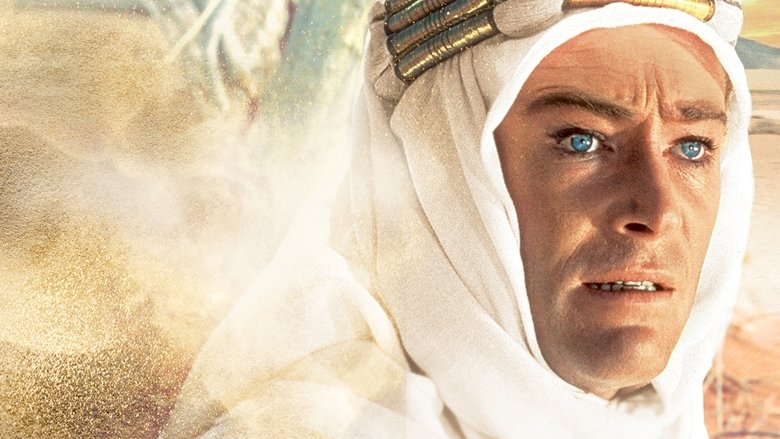
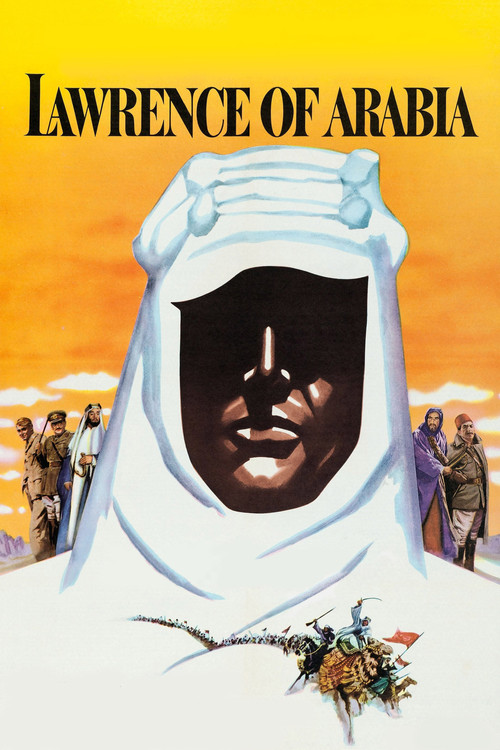
The narrative of "Lawrence of Arabia" is bookended by T.E. Lawrence's death. The film opens in 1935 with him recklessly speeding on his motorcycle, swerving to avoid two boys on bicycles, and crashing fatally. His memorial service at St. Paul's Cathedral reveals that even in death, he is a controversial and misunderstood figure; attendees offer conflicting and vague summations of his character, establishing the film's central mystery: who was T.E. Lawrence?
The film's main plot details his rise from an obscure lieutenant to the heroic leader of the Arab Revolt. A major turning point is the execution of Gasim. Having heroically rescued Gasim from the desert, Lawrence is later forced to personally execute him to settle a tribal blood feud and maintain the unity of his army. This act of necessary violence deeply traumatizes Lawrence, marking the first major crack in his idealism.
The story's central twist is the political betrayal orchestrated by the British. While Lawrence believes he is fighting for Arab independence, Mr. Dryden reveals to him the existence of the Sykes-Picot Agreement, a secret pact between the British and French to divide the Arab lands between them after the war. This revelation makes a mockery of Lawrence's efforts and confirms that he has been a pawn all along.
The psychological climax occurs in Deraa. Believing himself invincible, Lawrence is captured, and the Turkish Bey subjects him to torture and, it is strongly implied, rape. This experience utterly shatters his will and his messianic self-image. It reveals to him that he is just a man of flesh and blood. Persuaded by Allenby to lead one final push to Damascus, Lawrence is a changed man. Driven by a vengeful fury, he leads his mercenary army in a brutal massacre of a retreating Turkish column, screaming "No prisoners!" This is the final corruption of his soul; the idealist has become a butcher.
The ending is deeply ironic and tragic. Lawrence succeeds in taking Damascus for the Arabs before the British arrive, but his grand vision of an Arab Council to govern the city collapses within days due to incessant tribal infighting. The British are forced to step in to restore order, just as they had planned. Lawrence has won the battles but lost the war for Arab independence. Promoted to Colonel but now politically useless, he is sent back to England. The final scene shows him in a car being driven away from Damascus, his face a mask of disillusionment. As a motorcycle passes, its sound reminds the audience of the crash that will eventually kill him, bringing the story full circle. He is left a man belonging to no world, his epic journey ending not in glory, but in quiet, personal defeat.