
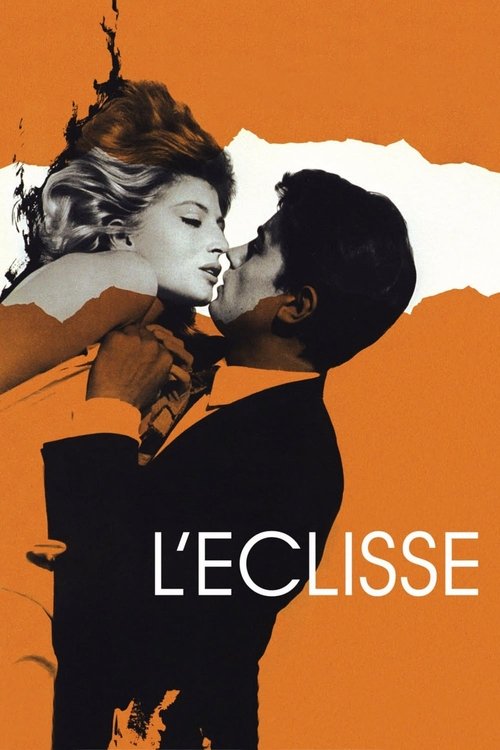
L'Eclisse
A haunting masterpiece of modernist cinema where love dissolves into the architecture of Rome. Amidst the noise of the stock market and the silence of empty streets, Antonioni captures the eclipse of human feeling in the atomic age.
L'Eclisse
L'Eclisse

L'eclisse

"… the ache and ecstasy of love…"

13 April 1962 France 126 min ⭐ 7.7 (522)
Director: Michelangelo Antonioni
Cast: Alain Delon, Monica Vitti, Francisco Rabal, Lilla Brignone, Rossana Rory
Drama Romance
Incommunicability and Alienation Materialism vs. Spirituality The Atomic Threat Modernity and Architecture

L'Eclisse - Ending Explained

⚠️ Spoiler Analysis

The film does not have a traditional plot twist, but its ending is the crucial narrative event. After Vittoria and Piero promise to meet at their "usual place" at 8:00 PM, the film cuts to that location. However, neither of them appears.

Instead, the viewer is treated to a 7-minute montage of the street corner as the day turns to dusk. We see the nurse with the stroller, the water running from the barrel, the bus, and the wind in the trees—all elements seen previously in the background of their dates. The camera searches for the lovers but finds only their absence. The streetlights turn on, bathing the screen in a harsh, blinding glare. This signifies the definitive end of their relationship and, metaphorically, the "eclipse" of their love by the overwhelming, indifferent material world.

Alternative Interpretations

The Ending as Apocalypse: Many critics interpret the final montage not just as a breakup, but as a metaphor for the end of the world. The empty streets and the "atomic" newspaper headline suggest that humanity has been wiped out, leaving only objects behind.

The Triumph of Things: Another reading is that the film depicts the transition from a human-centered world to an object-centered world. The characters don't die; they simply become irrelevant, replaced by the permanence of architecture and material goods.

A New Beginning: A minority view suggests the ending is a liberation. Vittoria has successfully detached herself from unsatisfactory relationships, and the final shots represent a pure, objective way of seeing the world, free from messy emotional entanglements.