The narrative structure of "Les Contes de la rue Broca" is episodic, so there is no single overarching spoiler or finale. The series' key revelations are contained within each individual tale. A recurring pattern in many stories is that the seemingly weak or foolish character triumphs through hidden cleverness or kindness.
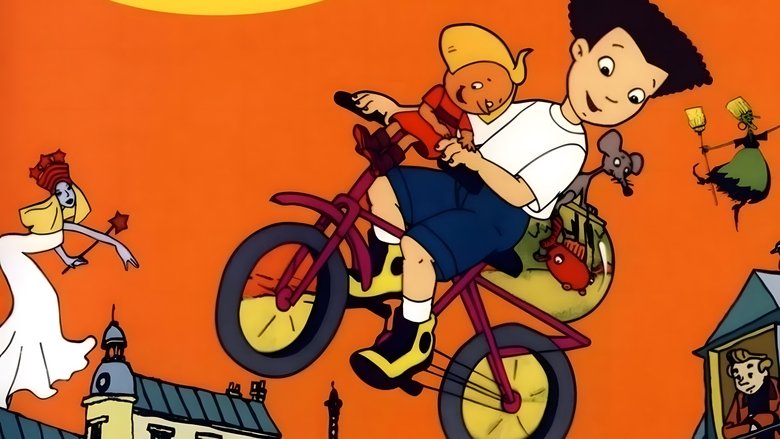
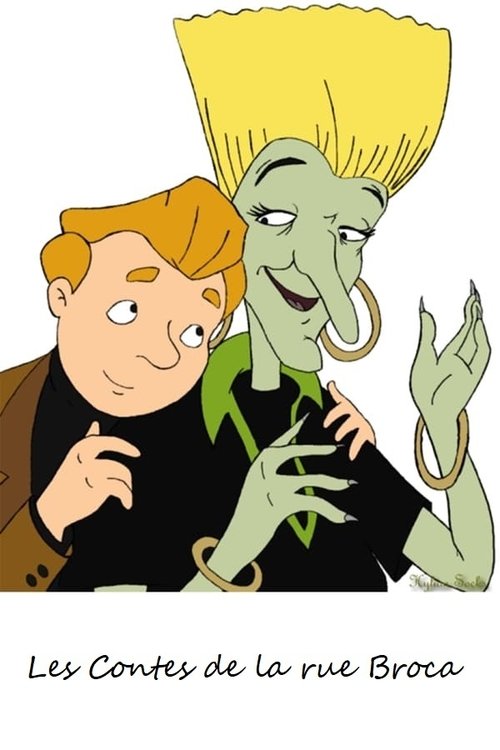
In "La sorcière de la rue Mouffetard," the witch successfully captures Nadia. The twist is that she is defeated not by magic or force, but by Nadia's clever brother, Bachir, who uses their two magical talking fish. The fish advise him to find his friend, the sailor, who ultimately kills the witch with a song and a punch, revealing that even the most fearsome magical evil can be vulnerable to simple, real-world solutions.
In "La sorcière du placard aux balais," the young Monsieur Pierre seems doomed, but the solution comes from his friendship with Bachir and Nadia. They use their magical fish to give him the answer to the witch's riddle, which is surprisingly mundane: "a bottle of wine." This reveal underscores the theme that magical problems can have simple, witty answers.
In "La maison de l'oncle Pierre," the major twist is the realization by the protagonist that his 'uncle,' who lives in a strange, silent house and counts gold all night, is actually a ghost who doesn't know he's dead. The story becomes a poignant tale about accepting mortality. The hidden meaning across the series is that the true magic isn't in the spells or supernatural beings, but in the human qualities of ingenuity, friendship, and empathy that allow ordinary children to overcome extraordinary challenges.