
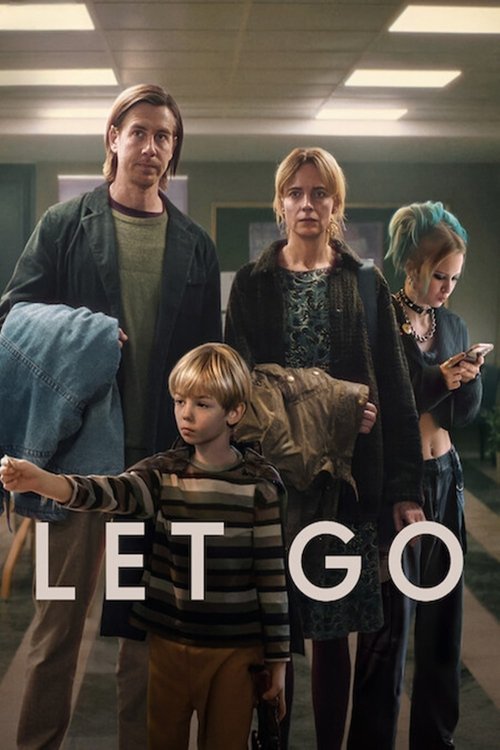
Släpp taget
"Sometimes, letting go is the only way to hold on."
Let Go - Symbolism & Philosophy
Symbols & Motifs
The Road Trip
The road trip symbolizes the family's tumultuous journey back to each other. It's a forced period of confinement where they cannot escape their issues, representing the difficult path of reconciliation and confronting hard truths before reaching their final destination, both literally and emotionally.
The majority of the film's narrative unfolds during the family's car journey to Skåne for Anna's pole dancing competition. This setting physically brings the estranged family members together and acts as the catalyst for both conflict and resolution.
Anna's Pole Dancing
Pole dancing represents Anna's burgeoning independence and a form of self-expression that her parents initially misunderstand. Her final performance, dedicated to her mother with the words "Strong Together," symbolizes the family's rediscovered unity and strength in the face of adversity.
The entire road trip is organized around attending Anna's pole dancing competition. The event serves as the film's climax, where the emotional journey of the family culminates in Anna's powerful performance.
Gustav's Profession as a Therapist
Gustav's job as a couples therapist is deeply ironic. He can advise others on communication and connection but is emotionally unavailable and disconnected in his own home. This symbolizes the disconnect between intellectual understanding and emotional practice, and the blindness one can have to their own faults.
The film opens with Gustav expertly counseling a couple, using a calm, knowing tone. This scene is immediately contrasted with the chaos and lack of communication in his own family life, establishing his character's central hypocrisy.
Philosophical Questions
Is it justifiable to manipulate loved ones for their own good?
The film explores this question through Stella's decision to hide her cancer from her family. She believes that for Gustav's transformation into a capable father to be genuine, it cannot be motivated by pity. The film presents the positive outcome of her manipulation: Gustav steps up and the family reconnects. However, it implicitly asks the viewer to consider the emotional cost of her deception and whether the ends truly justify the means in such a deeply personal family matter.
What is the true nature of love within a long-term partnership?
"Let Go" challenges the idea that love is merely a feeling. When the romantic spark between Stella and Gustav is gone, the film posits that a deeper form of love exists in commitment, shared history, and the unwavering dedication to their children's well-being. It suggests that the hard work of marriage and co-parenting is, in itself, a profound act of love, especially when faced with the ultimate test of mortality.
Core Meaning
The core meaning of "Let Go" revolves around the dual and seemingly contradictory ideas of holding on and letting go. Director Josephine Bornebusch explores the immense effort required to maintain a family unit, even when it appears broken. The film suggests that true love and responsibility are not just about romantic feelings, but about commitment and showing up, especially in the face of life's greatest challenges.
The central message is a poignant commentary on appreciating loved ones before it's too late. Stella's illness forces the family to confront the truths they've been avoiding. Her desperate act of forcing one last trip together is not about saving her marriage in a traditional sense, but about salvaging the family's future. It is a film about a mother's ultimate sacrifice, preparing her family to let her go while ensuring they will be able to hold onto each other.