조명가게
"A destination where life and death meet."
Light Shop - Symbolism & Philosophy
Symbols & Motifs
The Light Shop
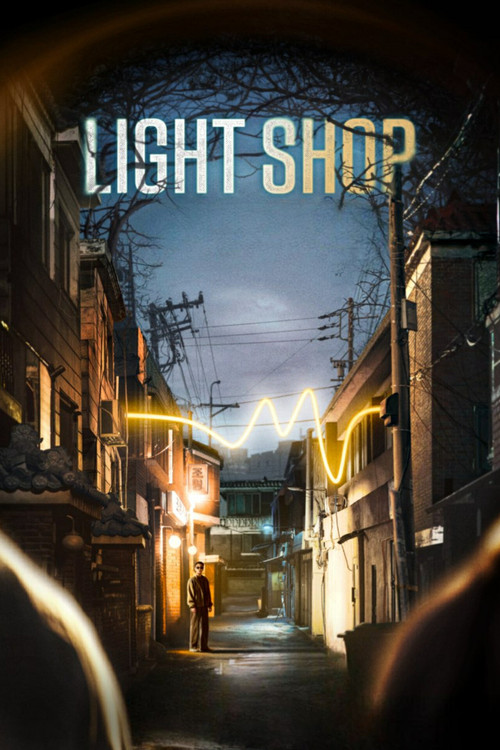
The shop symbolizes a crossroads between life and death—a form of purgatory or limbo. It is the "light at the end of the tunnel," offering guidance, solace, and a final choice to wandering souls. Its brightness in an otherwise dark alley represents hope, consciousness, and a chance at redemption or return.
The shop is the central hub of the series, visited by every main character. Each character is drawn to it unknowingly, seeking answers or simply a light bulb, which metaphorically represents their own flickering life force. The owner, Jung Won-young, acts as its guardian, ensuring the souls within understand their situation without direct interference.
Light Bulbs
The light bulbs symbolize a soul's life force, willpower, and connection to the living world. A functioning bulb represents a chance to return to life, while a broken one signifies the end. The act of choosing and buying a bulb is a metaphor for a soul's decision to live.
Characters are often seen trying to buy or are given light bulbs at the shop. The shopkeeper, Won-young, is protective of them, preventing souls from touching them prematurely, as this might finalize their fate. The condition and color of the light reflect the state of the soul's journey.
Sunglasses
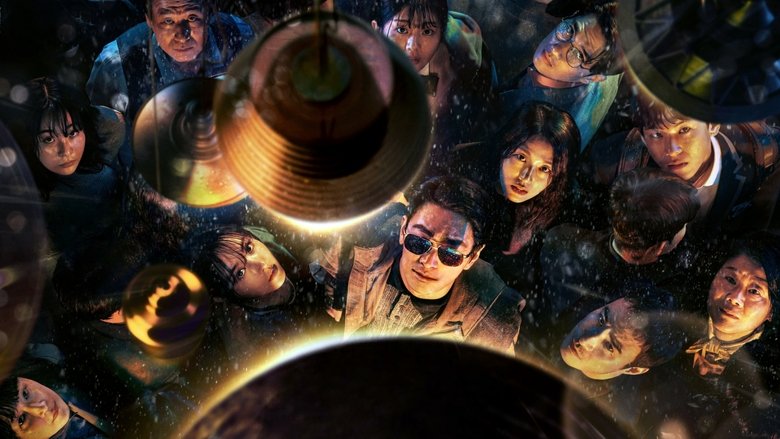
Worn by the shopkeeper Jung Won-young, the sunglasses symbolize his role as an observer and guardian who is detached from the emotional turmoil of the souls he guides. They also conceal his supernatural nature and the power in his eyes, which can influence and control the spirits in his domain.
Won-young is never seen without his sunglasses inside the shop. They create a barrier between him and the visitors, reinforcing his mysterious and authoritative presence as the keeper of this liminal space. He only removes them when he needs to exert his power over unruly spirits.
Philosophical Questions
What is the true nature of consciousness when the body is suspended between life and death?
The series explores this by depicting the 'delirious' state of coma patients as a tangible, alternate reality. Their spirits are fully formed individuals with memories and desires, yet they are unaware of their true condition. "Light Shop" suggests that consciousness is not solely tied to a functioning body but is a powerful force of will and emotion that persists in a liminal space, capable of making choices that determine its own fate.
To what extent can love and sacrifice defy the finality of death?
This question is at the core of the show. Jung Won-young's decades-long vigil is a testament to paternal love transcending his own death to save his daughter. Lee Ji-young's love literally keeps Hyun-min's heart beating from the afterlife. The series posits that while death is inevitable, the impact of profound love and selfless sacrifice can alter its course, offering second chances and creating ripples that protect the living even after one has passed on.
Core Meaning
The core message of "Light Shop" is a profound exploration of human connection, grief, and the significance of willpower in the face of mortality. Written by Kang Full, the series posits that the boundary between life and death is not a final end but a transitional space where unresolved emotions and regrets keep souls tethered. The creators wanted to convey that even in the darkest of circumstances, the choices individuals make and the sacrifices they endure for loved ones create a powerful, enduring light. The light shop itself serves as a metaphorical purgatory, where souls are given a final chance to confront their past and choose their path—either toward the finality of the afterlife or back to the world of the living, guided by their own will and the love of others. The story ultimately transforms from a chilling mystery into a humanistic tale about healing and the enduring impact people have on one another.