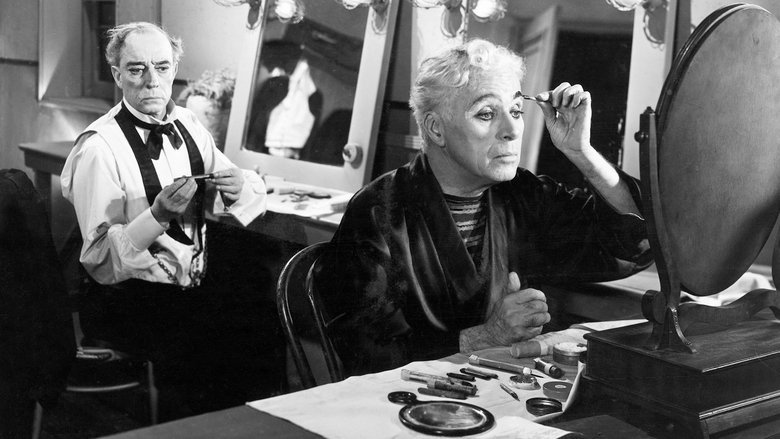
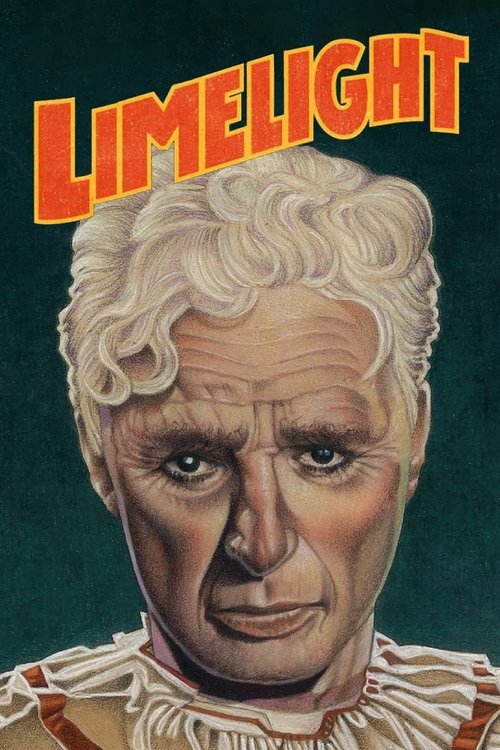
"The masterpiece of laughter and tears from the master of comedy!"
Director: Charlie Chaplin
Cast: Charlie Chaplin, Claire Bloom, Nigel Bruce, Buster Keaton, Sydney Chaplin
Limelight — Movie Quotes
Memorable Quotes
Life can be wonderful if you're not afraid of it. All it needs is courage, imagination ... and a little dough.
Context
Calvero says this to Terry as he is trying to lift her out of her deep depression. It's a moment of mentorship where he shares his hard-won wisdom about perseverance and the power of one's own spirit to overcome adversity.
Meaning
This line encapsulates Calvero's core philosophy, which he tries to impart to Terry. It's a statement of resilient optimism in the face of despair, suggesting that the ingredients for a good life are internal (courage, imagination) and practical (a little money), and that fear is the greatest obstacle.
Time is the best author. It always writes the perfect ending.
Context
This line is spoken during one of Calvero's philosophical conversations. It foreshadows his own end, which, while sad, feels fitting and complete: he dies having achieved a final moment of glory and seeing the success of the young artist he nurtured.
Meaning
This quote reflects a fatalistic yet accepting view of life's trajectory. It suggests that events unfold as they should and that one must trust in the passage of time to bring about the right conclusion. For Calvero, it's a way of coming to terms with his own decline and death.
That's all any of us are: amateurs. We don't live long enough to be anything else.
Context
This is part of Calvero's gentle philosophizing, aimed at putting Terry's anxieties and his own failures into a broader perspective. It serves to demystify success and failure, framing life as a journey of perpetual learning rather than a destination of mastery.
Meaning
A humble and profound observation on the human condition. Calvero suggests that life is a continuous learning process and that no one ever truly masters it. It's a statement that equalizes everyone, from the most famous star to the most obscure person, in the shared experience of navigating life's challenges.
I hate the sight of blood, but it's in my veins.
Context
Terry asks Calvero why he continues with the theater when he claims to hate it. His response reveals that performing is not a choice but an intrinsic part of his identity, as essential and inescapable as the blood in his body.
Meaning
This powerful metaphor expresses the complex, inescapable relationship an artist has with their craft and their audience. Performance is a fundamental part of Calvero's being, even if it has also been the source of pain, failure, and humiliation.
Explore More About This Movie
Dive deeper into specific aspects of the movie with our detailed analysis pages