
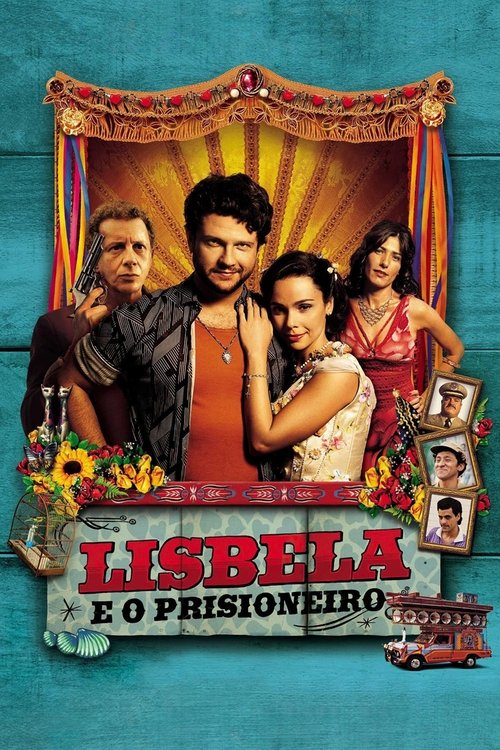
Lisbela e o Prisioneiro
Lisbela and the Prisoner - Symbolism & Philosophy
Symbols & Motifs
The Cinema
The cinema symbolizes the world of fantasy, dreams, and ideal love. It is Lisbela's escape from her mundane reality and the framework through which she understands her own epic romance. It represents the power of stories to shape our expectations and desires.
The film opens with Lisbela in a movie theater, explaining the conventions of a romantic comedy, which directly mirrors the plot of the film she is in. Her conversations with Leléu are often peppered with references to movie heroes and plot twists, showing how she superimposes cinematic narratives onto her own life.
The Traveling Circus/Show
Leléu's life as a traveling showman symbolizes freedom, improvisation, and a life outside of societal norms. It is a world of illusion and performance, mirroring Leléu's own persona as a charming trickster who is constantly playing a role.
Leléu is introduced as he arrives in town with his traveling show, selling miracle cures and putting on performances. This lifestyle is what allows him to move from place to place, escaping his past and encountering new adventures like meeting Lisbela.
Frederico Evandro's Gun
The ever-present threat of Frederico Evandro and his gun symbolizes fate, consequence, and the inescapable dangers of a passionate life. It is the real-world peril that constantly threatens to puncture the romantic fantasy that Lisbela and Leléu are building.
Frederico Evandro hunts Leléu throughout the film due to Leléu's affair with his wife. The threat of violence is always lurking, creating suspense and raising the stakes of the central romance. The final confrontation revolves around this weapon and the mortal danger it represents.
Philosophical Questions
Are our lives pre-written scripts or can we improvise our own destiny?
The film explores this question through the contrast between Lisbela's engagement, which represents a pre-written, conventional life script, and her romance with Leléu, which is pure improvisation and adventure. Lisbela's fascination with predictable movie plots is ironic, as she ultimately chooses to abandon a predictable life for an unwritten one. The film suggests that while societal scripts exist, true fulfillment comes from breaking away and authoring one's own story.
What is the relationship between love and fantasy?
Lisbela's love for Leléu is born from her cinematic fantasies. She falls for him because he fits the archetype of the romantic hero she adores. The film questions whether this makes their love less authentic. It ultimately concludes that fantasy is not an escape from reality, but a vital lens through which we can shape it. The love between Lisbela and Leléu becomes real precisely because they are both willing to believe in and act out the grand, romantic story they've imagined for themselves.
Core Meaning
The core meaning of "Lisbela and the Prisoner" is a celebration of the clash between fantasy and reality, and the courage to pursue a love that defies convention. Director Guel Arraes uses the story to explore the idea that life can imitate art, drawing parallels between the characters' dramatic lives and the Hollywood films Lisbela adores. The film posits that true happiness lies not in following a predetermined script but in embracing passion and adventure, even when it's dangerous. It's a deeply meta-narrative film where the characters are aware of the clichés and tropes of romantic stories, and they play with them, ultimately suggesting that love is the greatest adventure of all, worth any risk.