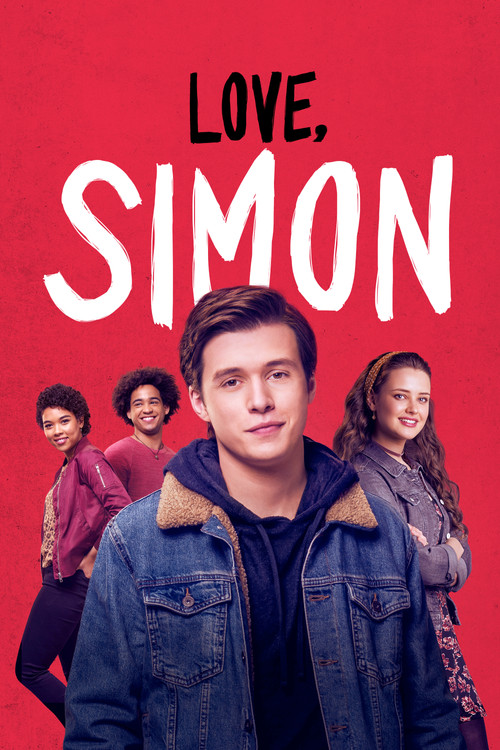
The central mystery of "Love, Simon" is the identity of "Blue," the anonymous classmate Simon has fallen for online. Throughout the film, Simon suspects several different students, including Bram (Keiynan Lonsdale), Cal (Miles Heizer), and Lyle (Joey Pollari). Each possibility is seemingly eliminated, deepening the mystery. The plot's major turn occurs when Martin (Logan Miller), who has been blackmailing Simon, grows impatient and leaks Simon's emails on the school's gossip blog. This forces Simon out of the closet and causes a temporary rift with his friends, whom he had manipulated to appease Martin. It also causes Blue to stop communicating, seemingly ending their relationship.
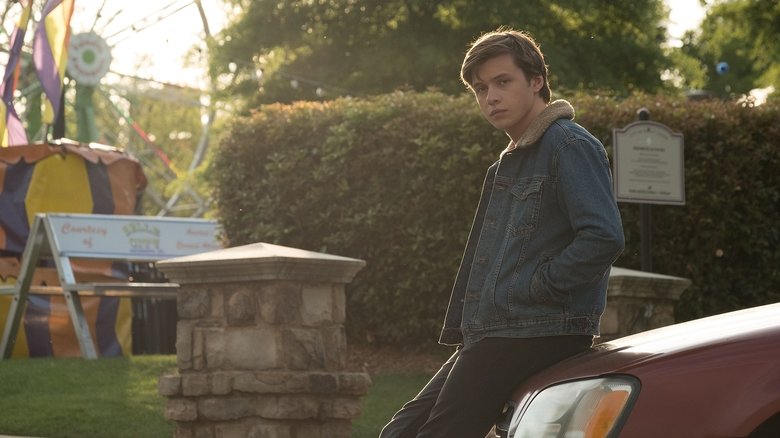
In a final, courageous act, Simon posts on the blog himself, coming out on his own terms and asking Blue to meet him at the Ferris wheel at the winter carnival. The film's climax sees Simon waiting on the Ferris wheel, ride after ride, as a crowd of supportive classmates gathers. Just as he is about to give up, Bram gets on the ride with him, revealing himself to be Blue. Bram explains that Simon had seen him kissing a girl at a party when he was drunk and confused, but that his feelings for Simon are real. They share a kiss at the top of the Ferris wheel to the cheers of their friends and classmates. The ending solidifies the film's message of hope, showing that vulnerability can be rewarded with love and acceptance. Simon's life doesn't just return to normal; it becomes more authentic and joyful, as he now shares it openly with his friends and his new boyfriend, Bram.