Loving Vincent
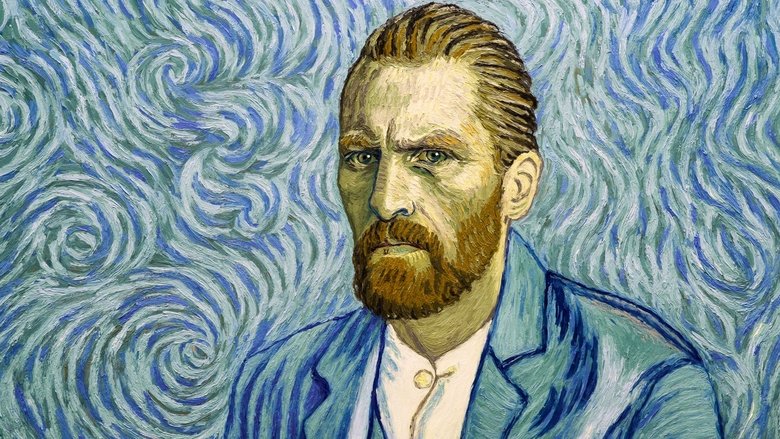
A hauntingly beautiful, painterly noir that breathes life into Van Gogh's canvases, exploring the enigmatic soul of the artist through a poignant, investigative journey.
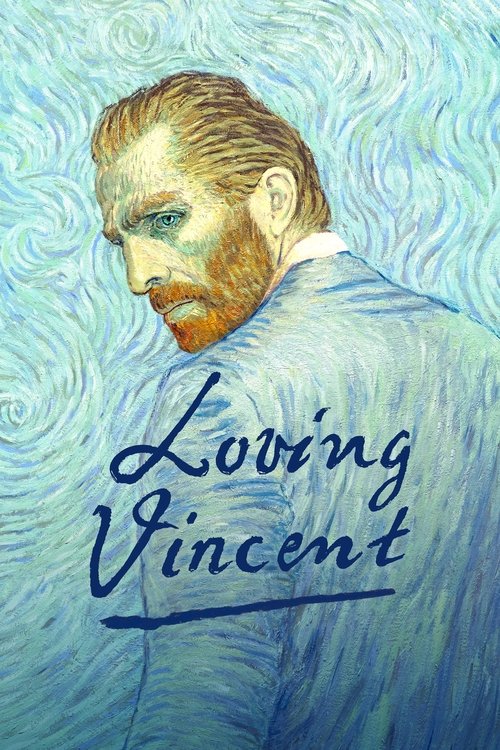
Loving Vincent
Loving Vincent

"The truth is, we cannot speak other than by our paintings."

22 June 2017 United Kingdom 95 min ⭐ 8.0 (2,536)
Director: DK Welchman Hugh Welchman
Cast: Douglas Booth, Robert Gulaczyk, Eleanor Tomlinson, Helen McCrory, Saoirse Ronan
Drama Animation History Mystery
The Enigma of Genius and Madness The Subjectivity of Truth Art as a Means of Connection and Communication The Burden of Empathy and Family
Budget: $5,500,000
Box Office: $42,187,665

Loving Vincent - Ending Explained

⚠️ Spoiler Analysis

The central mystery of "Loving Vincent" is never definitively solved, which is itself the film's ultimate point. Armand's investigation into whether Vincent's death was suicide or murder leads him to a series of contradictory conclusions. He initially suspects Dr. Gachet, who argued with Vincent shortly before his death and who seemed jealous of his talent. Later, strong evidence points to René Secrétan, a local teenager who owned a gun and habitually tormented the artist. Dr. Mazery, who examined the body, opines that the angle of the shot and the lack of powder burns make suicide unlikely.

The climax of Armand's investigation comes in his final conversations with Marguerite and Dr. Gachet. Marguerite confesses her close friendship with Vincent but doesn't believe René was capable of murder. Dr. Gachet finally provides his own theory: that his heated accusation that Vincent was a burden on his brother Theo is what drove the artist to kill himself to set Theo free. However, the film leaves this as just one more interpretation. The final reveal is not a 'whodunit' but a profound emotional understanding. Armand concludes that it doesn't matter how Vincent died; what matters is the life he lived and the beauty he created. The true 'spoiler' is that Vincent's death was likely a tragic, complicated event, and he may have claimed it was suicide to protect the young man who might have accidentally shot him, a final act of pained empathy. The film concludes with Armand receiving a letter from Theo's widow, which includes one of Vincent's own letters, signed "Your loving Vincent," bringing the emotional journey full circle and emphasizing the love and connection that persisted through the tragedy.

Alternative Interpretations

The Murder/Accidental Homicide Theory

The most significant alternative interpretation presented by the film is the challenge to the long-held belief that Vincent van Gogh died by suicide. Drawing heavily from the theory popularized by biographers Naifeh and Smith, the film introduces compelling evidence and testimony that suggests he was shot by someone else. The film explores the possibility that René Secrétan, a local youth who enjoyed tormenting Vincent, accidentally shot the artist with a malfunctioning pistol. Clues such as the angle of the wound, the absence of the gun, and the fact that Vincent stumbled a long way back to his inn are presented to cast doubt on the suicide narrative. The film doesn't commit to this theory but leaves it as a strong, plausible alternative, suggesting that Vincent, perhaps to protect the boy or simply out of weary resignation, allowed everyone to believe it was self-inflicted.

Armand's Journey as an Internal Allegory

Another way to interpret the film is to view Armand's journey less as a literal investigation and more as an allegorical exploration of how we come to understand art and the artist. Initially, Armand represents the casual, uninformed observer, dismissive of Van Gogh's work and life. His journey through the landscapes and memories of Vincent's world is akin to a deep dive into an artist's oeuvre. The conflicting testimonies he hears represent the varied and often contradictory interpretations a single piece of art can inspire. By the end, Armand has not found a simple "truth" but has developed a profound, personal, and empathetic connection to the artist. In this reading, the film is about the transformative power of engaging with art, moving from surface judgment to deep appreciation.