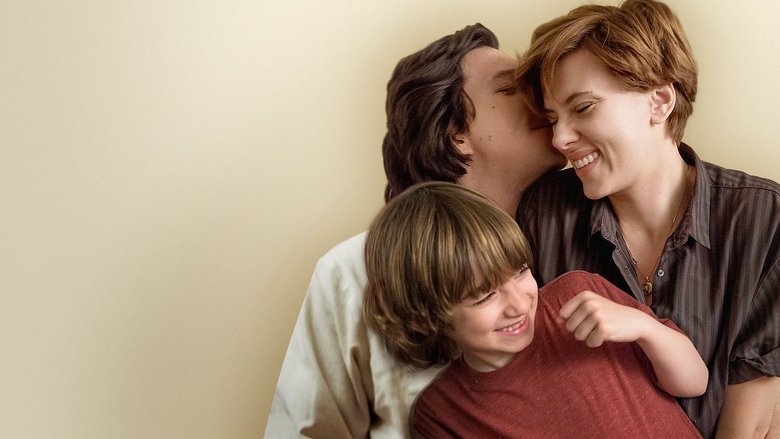
"Where there's a love, there's a way."
Marriage Story - Symbolism & Philosophy
Symbols & Motifs
The Automatic Gate
Symbolizes the finality of separation and the new barriers between them. It represents the shutting out of the former partner from one's private life.
Used in the scene where Charlie helps close the gate at Nicole's mother's house, physically placing him on the outside looking in.
Halloween Costumes
Represent the masks they wear and the loss of identity. Charlie as the "Invisible Man" reflects his feeling of being erased from the family unit in LA.
During the Halloween sequence in Los Angeles, where Charlie struggles to participate in a holiday that feels foreign and disjointed.
The Unread Letters
They symbolize the dormant love and truth of their relationship that exists beneath the anger. Reading them is the key to catharsis.
Introduced in the opening montage but refused by Nicole; they return in the final scene when Henry finds them, forcing Charlie to read Nicole's words aloud.
The Shoelace
A visual metaphor for enduring care and the practical intimacy that survives the legal severance of marriage.
In the final shot, Nicole chases after Charlie to tie his untied shoelace, a simple, non-verbal act of parenting him one last time.
Philosophical Questions
Does the institutionalization of love (marriage) inevitably lead to the commodification of hate (divorce)?
The film questions whether the legal structures surrounding marriage are capable of handling the nuance of human emotion, or if they are designed to turn sadness into billable conflict.
Can you truly know someone if you don't know who you are without them?
Explored through Nicole's journey; the film suggests that a healthy union requires two fully realized individuals, and that enmeshment (losing oneself in the other) is a precursor to collapse.
Core Meaning
Director Noah Baumbach intended the film to be a "love story about divorce." The core meaning suggests that a marriage doesn't simply disappear when it ends; rather, it undergoes a violent but necessary transformation. The film argues that the legal system often forces a false narrative of "victim" and "villain" onto a complex human relationship, yet the shared history and love (especially through a child) ultimately survive the institutional brutality of the divorce process.