The entire narrative of "Mary and Max" is a series of emotional revelations that culminate in a profoundly bittersweet ending. A major turning point occurs when Mary, now a university student studying psychology, publishes a book on Asperger's syndrome, using Max as her case study in an attempt to 'cure' him. Max is deeply offended by this, as he does not see his Asperger's as something to be cured. He breaks off their friendship by removing the 'M' from his typewriter. This leads Mary into a deep depression, alcoholism, and the dissolution of her marriage to Damien, who reveals he is leaving her for his own male pen-pal. Mary prepares to commit suicide, but is stopped by the arrival of a package from Max. It contains his entire collection of Noblet figurines and a letter of forgiveness, where he explains that he forgives her because they are both imperfect. A year later, Mary, now with her infant child, travels to New York to finally meet Max in person. In the film's final, heart-wrenching twist, she arrives at his apartment to find him dead on his couch, having passed away peacefully earlier that day. However, he has a serene smile on his face, and as Mary looks up, she sees that he has laminated and taped all of her letters to his ceiling. This final revelation makes it clear that despite their physical distance and misunderstandings, their friendship was the most cherished aspect of his life, bringing him peace in his final moments. The ending underscores the film's central theme: that a connection can be profoundly real and life-affirming even if the individuals never physically meet.
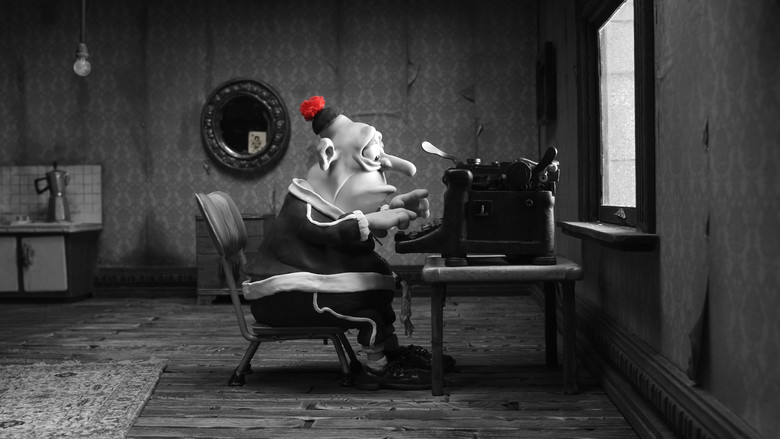

"Sometimes perfect strangers make the best friends."
Director: Adam Elliot
Cast: Toni Collette, Philip Seymour Hoffman, Barry Humphries, Eric Bana, Bethany Whitmore
Mary and Max — Ending Explained
⚠️ Spoiler Analysis
Alternative Interpretations
While the film is largely interpreted as a story of platonic friendship, some viewers have explored the possibility of a deeper, more abstract love between the two characters, a soulmate connection that transcends conventional labels. The ending, in particular, can be viewed in different lights. The dominant interpretation is that it is a bittersweet testament to their enduring bond—Mary finds that Max died happy, surrounded by her letters, and their friendship gave his life meaning. An alternative, more tragic reading might focus on the ultimate failure of them to ever meet, highlighting the insurmountable barriers of their respective worlds and the profound sadness of a connection that could only ever exist at a distance. Another perspective could analyze the film as a commentary on the therapeutic nature of writing and storytelling. The act of composing letters allows both Mary and Max to process their trauma and construct their own identities, making their friendship a form of mutual, long-distance therapy.
Explore More About This Movie
Dive deeper into specific aspects of the movie with our detailed analysis pages