
"Sometimes perfect strangers make the best friends."
Mary and Max - Symbolism & Philosophy
Symbols & Motifs
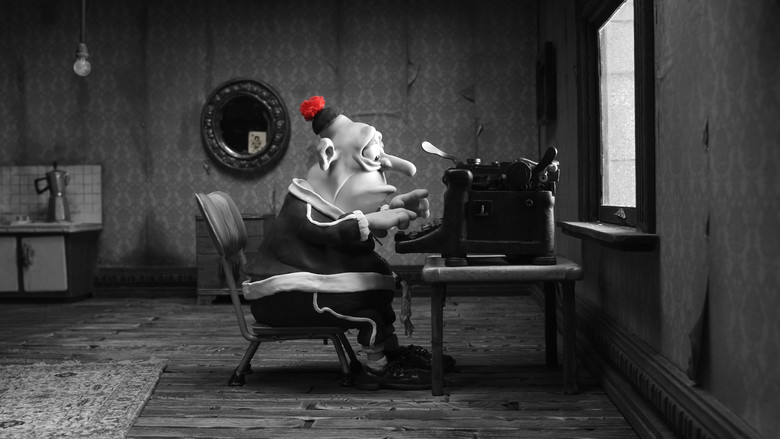
Letters and Typewriter
The letters and Max's typewriter symbolize the bridge of communication and the very foundation of their friendship. They are the physical manifestation of their emotional connection, allowing them to overcome the physical distance that separates them.
The entire narrative is structured around the letters exchanged between Mary and Max. The act of writing and receiving these letters is a central motif. When Max is angry with Mary, he removes the 'M' key from his typewriter, signifying a break in their communication. In the final scene, Mary discovers all of her letters carefully pinned to Max's ceiling, a testament to how much he cherished their correspondence.
Chocolate
Chocolate represents comfort, shared pleasure, and a simple source of happiness in the characters' often-difficult lives. It is a common ground that initially helps to bond them.
Mary sends Max a chocolate bar with her first letter. They frequently discuss their love for chocolate in their correspondence, and Max even invents a 'chocolate hot dog'. When Max wins the lottery, he buys a lifetime supply of chocolate.
The Noblets
The Noblets, a fictional cartoon show Mary and Max both love, symbolize a shared sense of childlike wonder and an escape from their harsh realities. They represent a simple, idealized world that contrasts with their own complex lives.
Mary and Max bond over their mutual affection for The Noblets. After winning the lottery, Max buys the entire collection of Noblet figurines. He later sends this collection to Mary as a gesture of forgiveness.
Mary's Birthmark
Mary's birthmark, which she is teased about, symbolizes her feelings of otherness and insecurity. It is a physical manifestation of her emotional pain and isolation.
The narrator describes Mary's birthmark as being 'the colour of poo'. She is bullied for it at school. As an adult, Mary has the birthmark surgically removed in an attempt to fit in and find happiness, though this does not solve her deeper issues.
Philosophical Questions
What is the nature of a 'real' friendship?
The film challenges conventional notions of friendship by presenting a deep, life-altering bond between two people who never meet in person. It forces the audience to consider whether physical presence is a prerequisite for a meaningful relationship. Mary and Max's connection, forged solely through words and shared vulnerability, suggests that the essence of friendship lies in mutual understanding, acceptance, and emotional support, regardless of the medium through which it is expressed.
Can we truly accept ourselves and others with all imperfections?
"Mary and Max" delves into the difficulty of self-acceptance in a world that often demands conformity. Both characters struggle with aspects of themselves they perceive as flaws—Mary's birthmark, Max's Asperger's and weight. The film explores whether it's possible to love oneself and others not in spite of imperfections, but because of them. Max's ultimate realization that 'all humans are imperfect' is the philosophical climax of the film, proposing that acceptance, rather than the pursuit of perfection, is the key to connection and inner peace.
Does a 'cure' for neurodiversity negate the identity of the individual?
When Mary writes a book on curing Asperger's with Max as her case study, Max is infuriated, feeling that she is trying to change the fundamental essence of who he is. This conflict raises a significant philosophical question about neurodiversity. The film strongly advocates for the perspective that conditions like Asperger's are not diseases to be cured but are integral parts of a person's identity. It challenges the medical model of disability and promotes a social model that emphasizes acceptance and accommodation over normalization.
Core Meaning
The core meaning of "Mary and Max" revolves around the profound and redemptive power of friendship, especially for those who feel like outsiders. The film posits that true connection is not about proximity or perfection but about acceptance, understanding, and the willingness to share one's vulnerabilities. Director Adam Elliot, drawing from his own pen-pal relationship, wanted to convey that everyone, no matter how flawed or isolated, deserves friendship and that these connections are essential for navigating the often-cruel realities of life. The film carries a powerful message about accepting oneself and others, "warts and all," and finding solace in the knowledge that you are not alone in your imperfections.