The film follows the couple into old age. Maud's health deteriorates due to the combination of her arthritis and years of inhaling paint fumes/smoking. In a heartbreaking reveal, Maud learns that her daughter, whom she thought had died at birth, is alive and was sold by her brother. She sees her daughter from a distance but chooses not to intrude. The film ends with Maud falling ill; she is taken to the hospital where she dies with Everett by her side, telling him she was loved. Everett returns to the empty, silent house, now filled only with her paintings. He locks the door, finally valuing the home and the memory of the woman who transformed it.
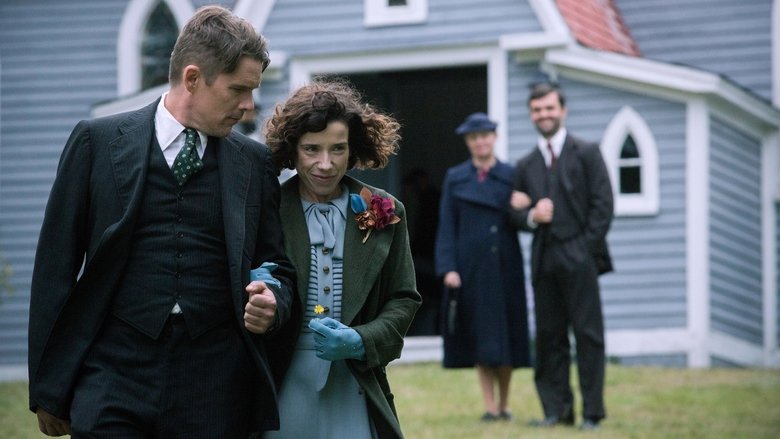
Biographical Drama/Romance. A fragile but resilient folk artist finds color in a gray world and an unlikely love with a hardened recluse. A poignant portrait of beauty blooming in the cracks of a harsh reality.
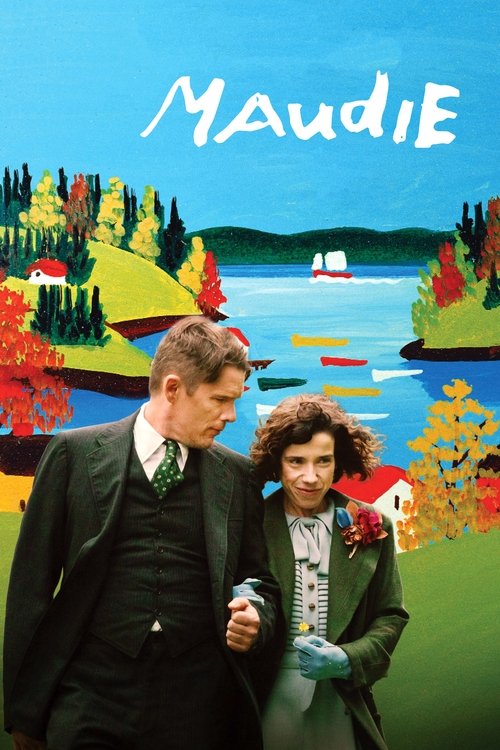
Maudie
"Triumph epitomizes adversity"
16 June 2016
Ireland
115 min
7.7
(558)
Director: Aisling Walsh
Cast: Sally Hawkins, Ethan Hawke, Gabrielle Rose, Billy MacLellan, Zachary Bennett
Drama
Romance
Art as Survival and Expression
The Resilience of the Human Spirit
Mismatched Love and Companionship
Perception vs. Reality
Box Office:
$6,170,998
Maudie — Ending Explained
⚠️ Spoiler Analysis
Alternative Interpretations
The Romanticization of Abuse: A major point of critical debate is the film's softening of Everett Lewis. While the movie portrays him as grumpy but ultimately loving, historical accounts and some critics suggest the real Everett was far more controlling and financially exploitative. Some viewers interpret the film not as a romance, but as a survival story where Maud navigates a hostage-like situation with Stockholm syndrome undertones to secure the safety needed to paint.
The Daughter Narrative: The film presents a plot twist where Maud is told her daughter died, then learns she was sold. Real-life biographers note that Maud knew about her daughter (Catherine) but was forced to give her up and later refused to have a relationship with her. The film's version paints Maud as more of a victim of her family's deceit, whereas the reality was likely more complex and painful regarding her agency as a mother.
Explore More About This Movie
Dive deeper into specific aspects of the movie with our detailed analysis pages