Skip to content
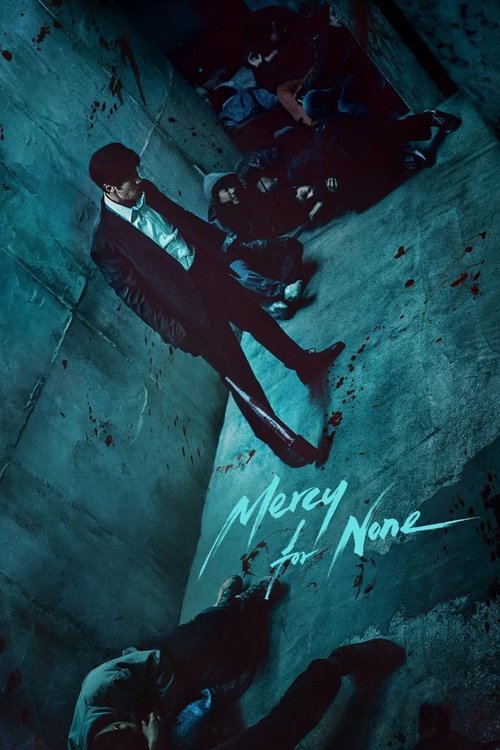
Mercy for None
A grim, neon-drenched K-noir action thriller charging with raw grief and icy fury, cutting through Seoul's shadow world like a rusted blade through a rain-soaked concrete graveyard.
Mercy for None
Mercy for None

광장

"He is back."

06 June 2025 — 06 June 2025 South Korea 1 season 7 episode Ended 7.8 (176)

Cast: So Ji-sub, Huh Joon-ho, Gong Myoung, Choo Young-woo, An Kil-kang

Drama Action & Adventure The Destructive Cycle of Vengeance Brotherhood vs. Transactional Loyalty Generational Conflict and Sins of the Fathers Corporate Facades and Systemic Corruption The Inescapability of One's Past

Mercy for None — Ending Explained

⚠️ Spoiler Analysis

The series contains several critical narrative twists and resolutions:

  • The Mastermind Behind Gi-seok's Death: While early episodes frame rival gang heir Koo Jun-mo or volatile syndicate bosses as prime suspects, Episode 5 reveals that the assassination was masterminded by Lee Geum-son (Choo Young-woo)—a Special Department prosecutor and biological son of Juwoon Group Chairman Lee Ju-woon.
  • Motive: Chairman Lee Ju-woon groomed Nam Gi-seok to take over Juwoon Group, viewing him as a capable leader while dismissing his own son Geum-son. Fueled by resentment, Geum-son hired foreign assassin Kaneyama to execute Gi-seok, framing rival gang Bongsan to trigger a mutually destructive mob war.
  • "The Graveyard" Cover-Up: Geum-son utilized N.Clean (run by Sim Sung-won) to clean up the crime scene and pay proxy convicts to confess, exploiting the justice system he served as a prosecutor.
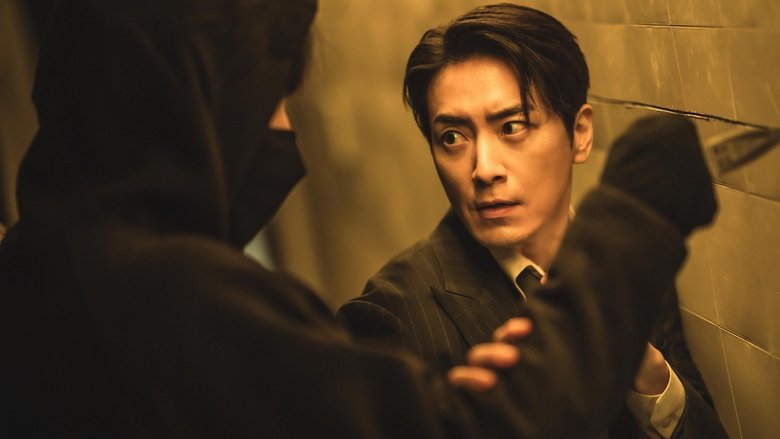
  • The Finale & Fate of the Characters: In Episode 7, Nam Gi-jun cuts through the remaining enforcers and confronts Geum-son. Gi-jun exacts his final revenge, destroying the leadership of both Juwoon and Bongsan groups. The series closes not with triumph, but with a quiet, emotional moment as a battered Gi-jun finally allows himself to weep for his brother.

Alternative Interpretations

The story offers multiple thematic readings:

  • Oedipal and Generational Revolt: Prosecutor Lee Geum-son's murder of Nam Gi-seok can be interpreted as an Oedipal strike against his father, Chairman Lee Ju-woon. Because Ju-woon favored Gi-seok as his spiritual successor over his biological son, Geum-son's murder of Gi-seok was an attempt to destroy his father's legacy from within.
  • The Illusion of Escape: Gi-jun's self-inflicted crippling 11 years earlier represents the tragic illusion that one can escape systemic crime through individual sacrifice. The ending reinforces that as long as the corporate crime structure remains intact, violence will eventually reclaim those who attempt to walk away.
  • Nihilistic Justice: Rather than acting as a heroic savior, Gi-jun functions as an agent of total destruction. His victory delivers no social restoration, leaving a void where both corrupt leadership and rival gangs are wiped out.

Explore More About This Movie

Dive deeper into specific aspects of the movie with our detailed analysis pages

Similar Movies