
Merlí - Symbolism & Philosophy
Symbols & Motifs
The Peripatetics
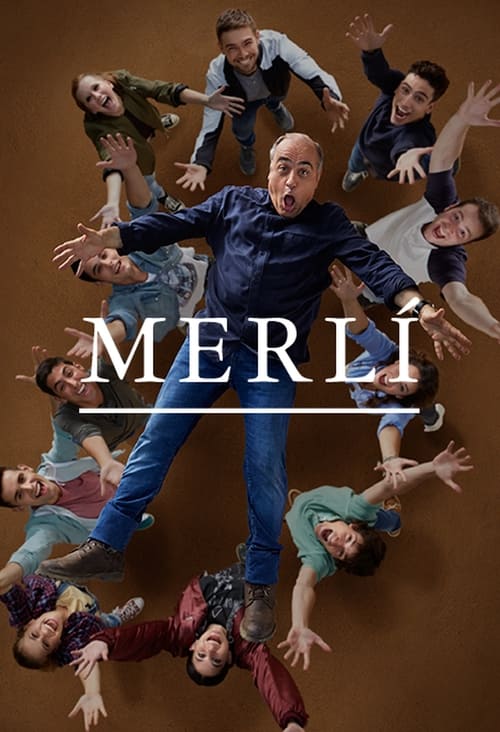
Named after Aristotle's school of philosophy where teachers and students would walk while discussing ideas, "The Peripatetics" symbolizes an active, engaged, and non-traditional approach to learning and life. It represents the community and intellectual bond Merlí forges with his students.
This is the name Merlí gives to his core group of students. The name is established in the first season and becomes their collective identity throughout the series. Many of their most important lessons and conversations happen outside the confines of the classroom, embodying the peripatetic spirit.
The Classroom
The classroom symbolizes a sanctuary and a battleground. For the students, it is a safe space where they can freely express their doubts and ideas under Merlí's guidance. For the teachers, it represents the ideological clash between traditional and progressive educational philosophies.
Throughout all three seasons, Merlí's classroom is the central hub of the series. It's where philosophical concepts are introduced, debates erupt, and personal revelations often occur. Its physical appearance doesn't change much, but its symbolic weight as a space of liberation grows with each season.
Philosophers' Names (Episode Titles)
Each episode title, named after a specific philosopher, symbolizes the central theme or moral dilemma that will be explored in that chapter of the characters' lives. It frames the narrative and provides a lens through which the audience can interpret the events.
This is a structural motif for the entire series. For example, the episode "Machiavelli" explores themes of power and manipulation in the school's social dynamics, while "Epicurus" deals with questions of pleasure and happiness.
Philosophical Questions
What is the purpose of education?
The series constantly explores this question through the clash between Merlí's Socratic, questioning-based approach and the school's focus on curriculum and discipline. Merlí argues that the goal of education is not to provide answers but to teach students how to think for themselves, to question authority, and to apply critical thought to their own lives. The entire show is a dramatized debate between education as indoctrination versus education as liberation.
How should one live an authentic life?
This existential question is at the heart of every character's journey. From Bruno's struggle with his sexuality to Pol's search for an identity beyond his tough exterior, the series uses various philosophical frameworks (Nietzschean self-overcoming, Butler's performativity, etc.) to explore what it means to live truthfully. Merlí pushes his students to reject societal pressures and define their own values, even if it leads to pain and conflict, arguing that an unexamined life is not worth living.
What is the nature of love and desire?
"Merlí" delves into the complexities of love in its many forms: romantic, platonic, familial, and unrequited. The central relationship between Pol and Bruno explores the fluidity of sexuality and the pain of loving someone who may not be able to reciprocate fully. Philosophical ideas from Plato to Schopenhauer are used to dissect the nature of desire, attachment, and the inherent suffering that can come with human connection.
Core Meaning
The core meaning of "Merlí" is a passionate defense of philosophy, not as an abstract academic discipline, but as a vital and practical tool for navigating the complexities of everyday life. The creator, Héctor Lozano, aimed to demystify philosophy and show its relevance, particularly for young people seeking to understand themselves and the world around them. The series posits that critical thinking, questioning authority, and challenging preconceived notions are essential for personal freedom and authentic living. It carries a message of empowerment, urging viewers to "Sapere Aude" (Dare to Know), to think for themselves, and to live life with intellectual curiosity and emotional honesty, even when it leads to conflict or discomfort.