
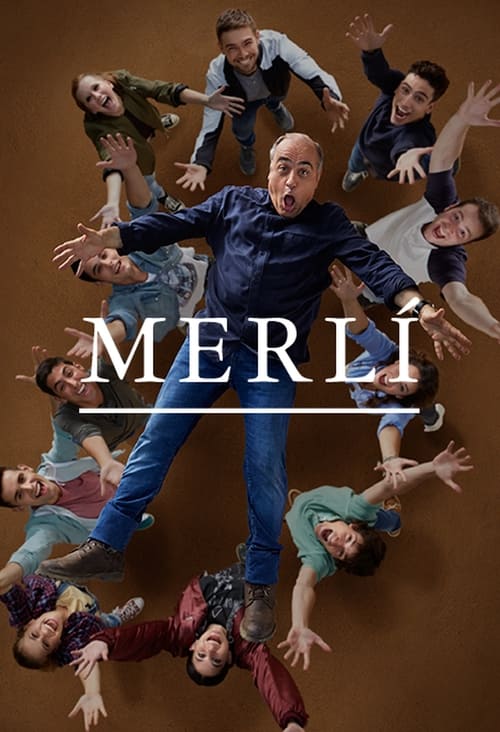
Cast: Francesc Orella, Carlos Cuevas, David Solans, Elisabet Casanovas, Adrian Grösser
Merlí — Movie Quotes
Memorable Quotes
Que la vida sigui absurda no implica que hàgim de caure en una profunda apatia.
Context
This is a recurring philosophical idea that Merlí imparts to his students in various classroom contexts throughout the series, encouraging them to engage with life actively rather than passively accepting its absurdity.
Meaning
"That life is absurd doesn't mean we should fall into a deep apathy." This quote encapsulates the series' existentialist spirit. It's a call to action against nihilism, urging the students to find meaning and create their own purpose even in a seemingly meaningless world.
Vales molt, per molt que et trepitgin o et facin mal. Vales, i molt.
Context
Merlí often says variations of this to his students during one-on-one conversations when they are facing personal crises, reinforcing his role as a supportive, albeit unconventional, father figure.
Meaning
"You are worth a lot, no matter how much they step on you or hurt you. You are worthy, very worthy." This quote is a direct message of empowerment and self-worth from Merlí to his students, particularly those struggling with insecurity like Tània or Joan. It's a core tenet of his mentorship.
Deixeu de mirar la vida a través d'una càmera i gaudiu-la amb els ulls.
Context
This line is said during a class discussion about modern alienation and the nature of existence in the digital age, challenging the students' habits and perspectives.
Meaning
"Stop looking at life through a camera and enjoy it with your eyes." This is a critique of modern society's obsession with social media and digital representation over lived experience. It's a plea for authenticity and being present in the moment.
Mentre existim, la mort no està present. I quan la mort es presenta, és que nosaltres ja no hi som.
Context
This is from the episode "Epicurus" (Season 1, Episode 9), where Merlí discusses the philosopher's views on death and pleasure to help the students, particularly Joan, cope with anxieties about mortality.
Meaning
"While we exist, death is not present. And when death is present, we no longer exist." Paraphrasing Epicurus, this quote is meant to alleviate the fear of death. It promotes a focus on living life to the fullest without being paralyzed by an existential dread of the inevitable.
Explore More About This Movie
Dive deeper into specific aspects of the movie with our detailed analysis pages