Metropolis
A German Expressionist sci-fi dystopia breathes with the rhythmic pulse of oppressive machinery, evoking a chilling yet awe-inspiring vision of a fractured future.
Metropolis
Metropolis

"There can be no understanding between the hands and the brain unless the heart acts as mediator."

06 February 1927 Germany 153 min ⭐ 8.1 (2,943)
Director: Fritz Lang
Cast: Gustav Fröhlich, Brigitte Helm, Alfred Abel, Rudolf Klein-Rogge, Theodor Loos
Drama Science Fiction
Class Struggle and Social Inequality Humanity vs. Dehumanization and Technology Reconciliation through Mediation Biblical and Religious Allegory
Budget: $5,300,000
Box Office: $1,350,322

Metropolis - Ending Explained

⚠️ Spoiler Analysis

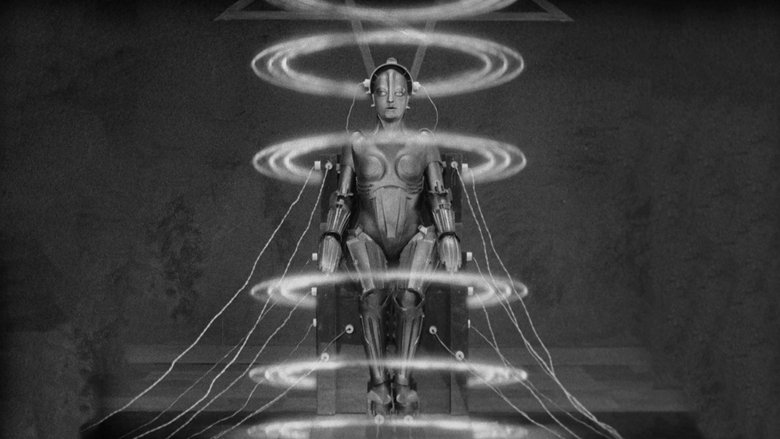
The central twist of Metropolis is the kidnapping of the virtuous Maria and her replacement by a robotic doppelgänger, the Machine-Man. Joh Fredersen commissions this creation to discredit the real Maria and sow confusion among the workers, aiming to prevent a rebellion. However, the inventor Rotwang, driven by a personal vendetta against Fredersen, secretly programs the robot not to quell the workers, but to incite them into a destructive frenzy that will destroy the entire city. The robot, as a hyper-sexualized and chaotic version of Maria, first captivates the sons of the elite with a decadent, sinful dance, symbolizing the moral corruption of the upper class. It then delivers fiery speeches to the workers, turning Maria's message of peace into a call for total annihilation of the machines.

This manipulation leads to the film's climax: the workers, in a revolutionary fervor, destroy the Heart Machine, the central generator of the city. They celebrate their victory, only to realize with horror that its destruction has caused the reservoirs to overflow, flooding their underground city and trapping their children. This reveals the hidden meaning that a blind, rage-fueled revolution is ultimately self-destructive. As the real Maria, who has escaped, helps Freder rescue the children, the workers capture the false Maria and burn her at the stake. The flames melt away her artificial flesh, revealing the metallic skeleton of the robot underneath, exposing the deception to the horrified mob. The film concludes with Rotwang, now completely insane, chasing the real Maria to the roof of a cathedral. Freder pursues him, and after a struggle, Rotwang falls to his death. This entire sequence sets the stage for the final, symbolic reconciliation: Freder, having saved both the workers' children and Maria, acts as the "heart" and joins the hands of his chastened father (the "head") and the lead worker, Grot (the "hands").

Alternative Interpretations

Despite its seemingly straightforward moral, Metropolis has been subject to various and often conflicting interpretations, particularly regarding its ending and political message. Many critics, and even Fritz Lang himself later in life, found the film's resolution—"the heart" as mediator—to be overly simplistic and childish for a complex social problem.

A Fascist Reading: Some interpretations, notably by film theorist Siegfried Kracauer, have viewed the film's ending as pre-fascist. This reading argues that the reconciliation between labor and capital doesn't empower the workers but rather co-opts their revolutionary energy into the existing power structure. The industrialist, Joh Fredersen, does not relinquish his authority; instead, the workers are pacified by a charismatic mediator (Freder), and the totalitarian system remains intact, merely managed with a more compassionate face. This interpretation sees the finale not as a true union of equals but as the establishment of a corporatist state where the collective soul is managed by an unchallenged leader.

A Critique of Revolution: Another interpretation focuses on the film's depiction of the workers' revolt. Rather than a heroic uprising, the revolution is shown as a chaotic, self-destructive act of mob mentality. The workers, incited by a manipulative demagogue (the false Maria), destroy the very machines that sustain their lives and foolishly forget about their children in the flooding city below. From this perspective, the film can be seen as a conservative warning against the dangers of violent revolution, arguing that it leads only to anarchy and suffering, making the existing oppressive order seem preferable to chaos.

An Unresolved Ending: A more open-ended interpretation suggests the final handshake is not a definitive solution but merely the beginning of a dialogue. The film ends on a promise of hope, but the fundamental power imbalance has not been structurally altered. It leaves the audience to question whether this newfound understanding will genuinely change the dystopian society or if it's a temporary, fragile truce. This view sees the ending less as a happy resolution and more as a single, hopeful step in a long, unresolved struggle.