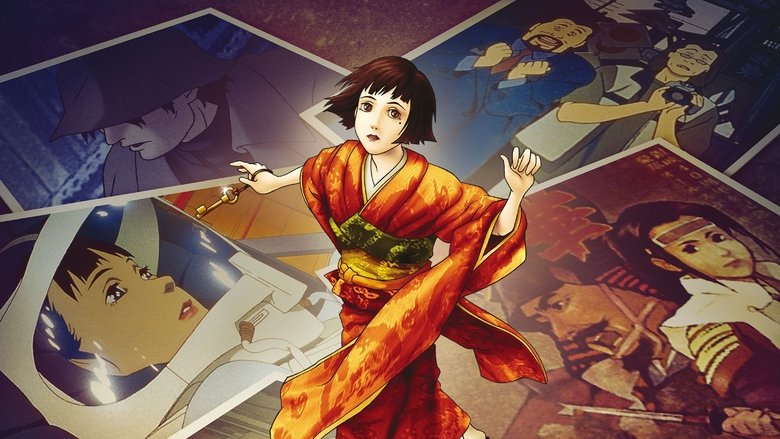
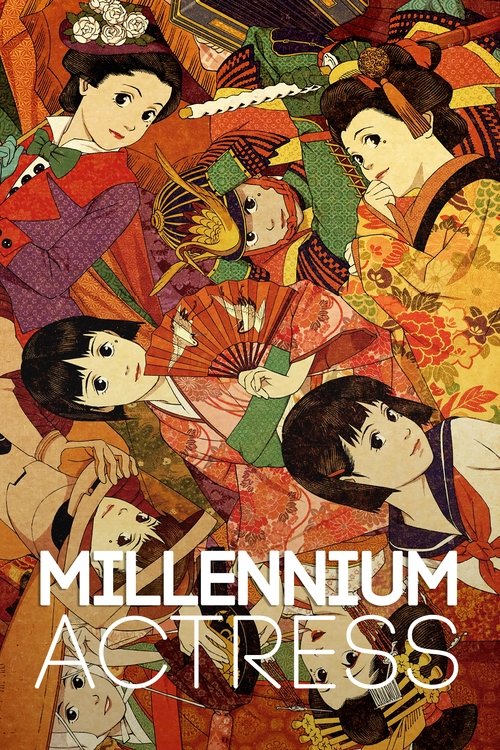
The central twist of \"Millennium Actress\" is revealed to the audience, but not to Chiyoko, by Genya late in the film. The mysterious painter, the object of Chiyoko's lifelong pursuit, was captured and tortured to death by the military police shortly after he and Chiyoko parted ways. This revelation re-contextualizes her entire journey as the chase of a ghost, a pursuit of a love that was impossible from the very beginning. Genya learned this from the scarred policeman who had been pursuing the painter, and who later sought out Chiyoko to deliver the painter's final letter and atone for his actions.
A second significant revelation is the extent of Genya's involvement in Chiyoko's life. He was not just a fan, but a young studio assistant who was present during the filming of her last movie. It was he who rescued her when an earthquake caused the set to collapse, and he who found the key she lost at that time. His devotion is therefore not just that of an admirer, but of someone who has loved and protected her from afar for decades. His presence in her memories is a projection of his own longing to have been a more significant part of her life.
The film's ending is its most profound revelation. On her deathbed, Chiyoko is not saddened by the knowledge that she never found the painter. Instead, she expresses joy and contentment, stating, \"After all, what I really love is the pursuit of him.\" This line reveals that the object of her affection was less important than the act of affection itself. The chase gave her life meaning, fueled her art, and allowed her to live a thousand lives through her films. Her final journey into space in her last movie role symbolizes her spirit continuing this eternal, joyful pursuit in the afterlife.