The twist is that there is no great mystery: everyone knows who did it. The turning point comes when Mrs. Pell reveals to Anderson where the bodies are buried (in an earthen dam) and who was involved. After finding the bodies, the local courts fail to deliver justice (the Sheriff is acquitted of state charges). Anderson then pivots to federal civil rights violation charges. He and Ward stage a fake kidnapping of the Mayor using a Black FBI specialist to terrify him into talking. They also trick the conspirators into thinking they are turning on each other. In the end, the Deputy, the Sheriff, and the Klan leaders are convicted on federal charges and sentenced to prison (3 to 10 years). The film ends with a mixed victory: the killers are jailed, but the sentences are light compared to the crime, and the town is left scarred.
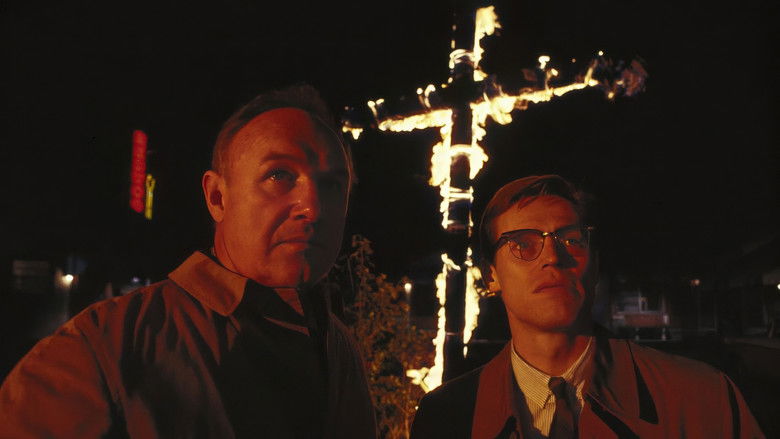
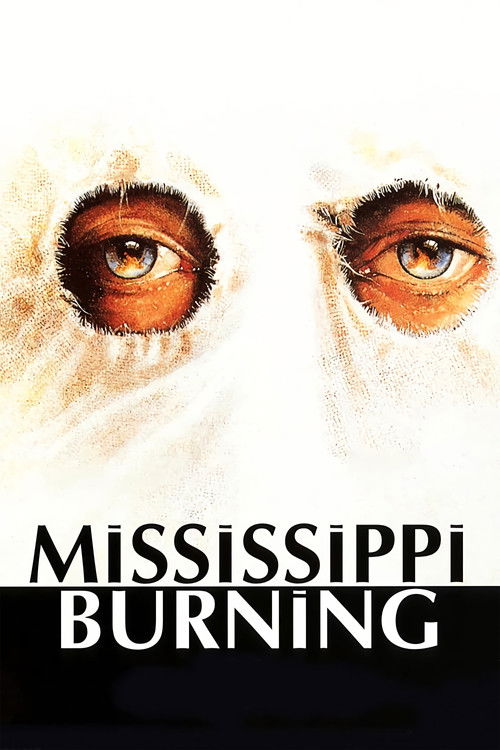
"1964. When America was at war with itself."
Director: Alan Parker
Cast: Gene Hackman, Willem Dafoe, Frances McDormand, Brad Dourif, R. Lee Ermey
Mississippi Burning — Ending Explained
⚠️ Spoiler Analysis
Alternative Interpretations
The Western in Disguise: Some critics view the film not as a historical drama but as a classic Western. Anderson is the gunslinger who rides into a lawless town to clean it up, while Ward is the ineffective eastern lawyer. The Klan represents the outlaws.
The FBI as Myth: Another reading suggests the film is a pro-FBI fantasy that reimagines the Bureau—which historically surveilled and harassed civil rights leaders like MLK—as the heroic champions of the movement.
Explore More About This Movie
Dive deeper into specific aspects of the movie with our detailed analysis pages