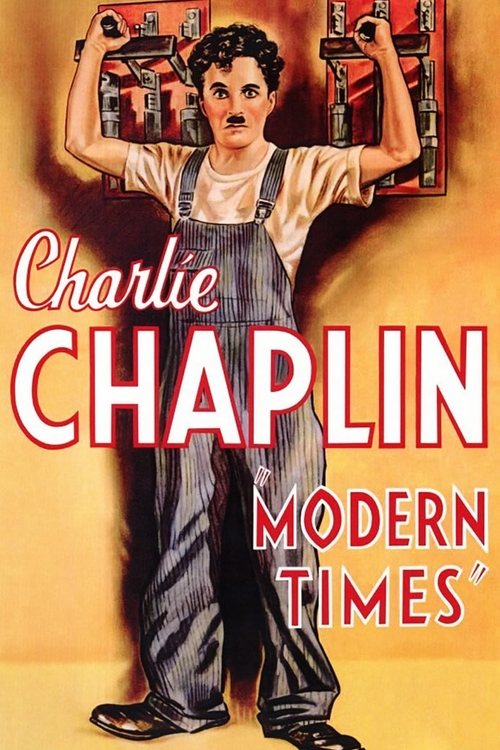
"He stands alone as the greatest entertainer of modern times! No one on earth can make you laugh as heartily or touch your heart as deeply...the whole world laughs, cries and thrills to his priceless genius!"
Modern Times - Symbolism & Philosophy
Symbols & Motifs
The Factory Machine
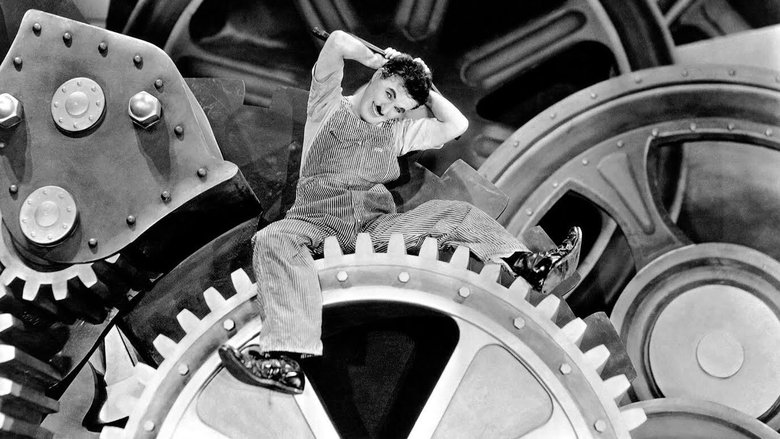
The giant machine symbolizes the overwhelming and dehumanizing power of modern industry. It represents a system that consumes the individual, turning human beings into mindless automatons or literal cogs in its operation, prioritizing production over well-being.
The most iconic scene of the film features The Tramp being swallowed by the gears of the massive assembly line machine. His body is pulled through its inner workings, a visual metaphor for his loss of control and identity within the industrial system.
Sheep
The film opens by cross-cutting between a flock of sheep and a crowd of workers leaving a subway. This allegory suggests that workers in industrial society are like herded animals: docile, undifferentiated, and led blindly to their daily grind, sacrificing their individuality for the sake of the system.
This symbolic comparison is the very first visual statement of the film, immediately following the title cards, establishing the central theme of dehumanization before any characters are introduced.
The Clock
The large clock shown in the opening credits symbolizes the tyranny of time in the industrial age and the obsession with efficiency. It represents the regimented, controlled nature of modern life, where human activity is dictated by the relentless, mechanical pace of the factory rather than natural rhythms.
The film's credits are superimposed over a giant clock face, its hands moving steadily forward, setting the stage for the pressure and pace that will drive The Tramp to his breaking point.
The Open Road
The road represents freedom, hope, and the possibility of a future that lies beyond the confines of oppressive societal structures. It is a space where The Tramp and the Gamin, as outsiders, can forge their own path together, even if the destination is unknown.
The final, iconic shot of the film shows The Tramp and the Gamin walking hand-in-arm down a long, empty road towards the dawn. After facing despair, The Tramp encourages her to smile, and they continue their journey with renewed hope.
Philosophical Questions
What is the relationship between humanity and technology, and at what point does efficiency begin to erode humanity?
The film explores this question through the factory scenes. The assembly line is designed for maximum efficiency, but it pushes The Tramp to a mental breakdown. The "feeding machine" is the ultimate parody of this idea, a technological solution that ignores the human need for rest and dignity. Chaplin suggests that when technology is used solely for profit without regard for human well-being, it becomes an oppressive force that turns people into extensions of the machines they operate.
In an unjust society, what is the true meaning of freedom and confinement?
"Modern Times" subverts the conventional understanding of freedom. The Tramp finds life in prison to be more comfortable and secure than his life as a free but unemployed man on the streets. He actively tries to get arrested to escape the chaos and hunger of the outside world. This ironic preference suggests that in a society that fails to provide basic necessities, the regimented security of confinement can feel more liberating than a "freedom" that amounts to a constant, desperate struggle for survival.
Can hope and individualism survive in the face of overwhelming systemic oppression?
The entire narrative of the film is a testament to this question. The Tramp and the Gamin are relentlessly beaten down by the economic and social systems of their time. They lose jobs, their home, and are constantly pursued by the law. Yet, the film's answer is a resounding 'yes'. Their survival is rooted in their companionship and their persistent, almost irrational optimism. The final scene argues that the will to "buck up" and keep trying is the ultimate act of defiance against a dehumanizing world.
Core Meaning
"Modern Times" is a powerful critique of the dehumanizing effects of industrialization and the societal struggles during the Great Depression. Chaplin uses the Tramp's journey to explore the conflict between humanity and the machine, arguing that an obsessive focus on efficiency and profit strips individuals of their autonomy and spirit. The film posits that in a mechanized, profit-driven world, institutions like factories and even prisons operate on a similar logic of control, turning people into mere cogs. Ultimately, the core message is one of resilience; despite the overwhelming forces of an indifferent society, the human spirit's capacity for hope, companionship, and the dream of a better life can endure.