
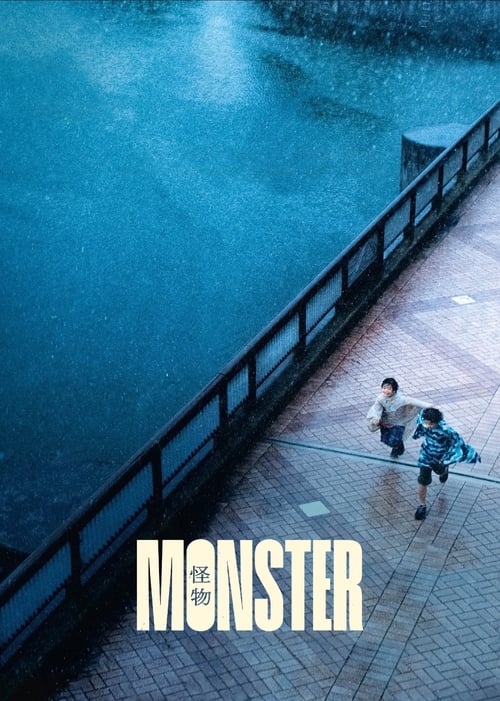
The central mystery of "Monster" is not, as initially suggested, about teacher abuse, but about the secret, burgeoning romantic relationship between Minato and his classmate, Yori. Minato's strange behavior—cutting his hair, showing up with one shoe—are all connected to his interactions with Yori and the bullying Yori endures. Mr. Hori is innocent; his alleged 'assault' on Minato was an accident where his hand unintentionally struck the boy's nose. Hori's visit to a hostess club was a false rumor that Saori used against him.
The true 'monster' is multifaceted. It is the societal prejudice that makes Minato fear his own feelings, leading him to internalize the slur 'pig brain' which Yori's abusive father uses against his own son for not being 'manly' enough. It is also Yori's violent, alcoholic father, who is physically abusing him. The school administration, particularly the principal, becomes monstrous through its rigid, self-protective bureaucracy that values reputation over truth, repeating empty apologies instead of investigating.
The film's climax occurs during a massive typhoon. Minato and Yori, after a confrontation with Yori's father, flee to their secret hideout in the abandoned train car. As the storm rages, Saori and Mr. Hori, now realizing the truth, search for them. A mudslide covers the area of the train car. The final scene shows the boys running out of a tunnel into bright sunshine, asking if they have been reborn. This ambiguous ending deliberately leaves their fate open to interpretation: they have either physically died in the mudslide and this is a vision of their spirits in a peaceful afterlife, or they have metaphorically survived the 'storm' of their ordeal and are 'reborn' into a new world of freedom and self-acceptance, having escaped through a drain culvert.