"It's nothing personal. It's just their job."
Monsters, Inc. - Symbolism & Philosophy
Symbols & Motifs
Closet Doors
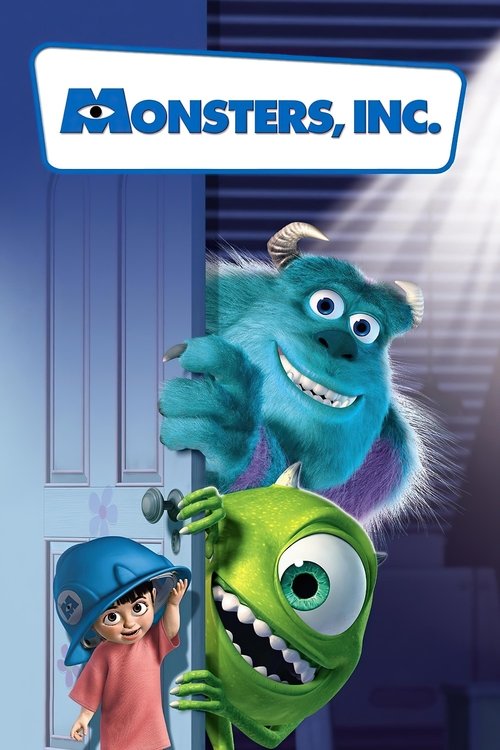
The closet doors are portals between the human and monster worlds, symbolizing the connection between fear and the unknown. They represent a gateway that, once crossed, can lead to unexpected discoveries and the breaking down of prejudices. For the monsters, they are tools of their trade, but for Boo, her door is a symbol of home and safety. The destruction and eventual reconstruction of Boo's door symbolizes the enduring power of connection and friendship, even across different worlds.
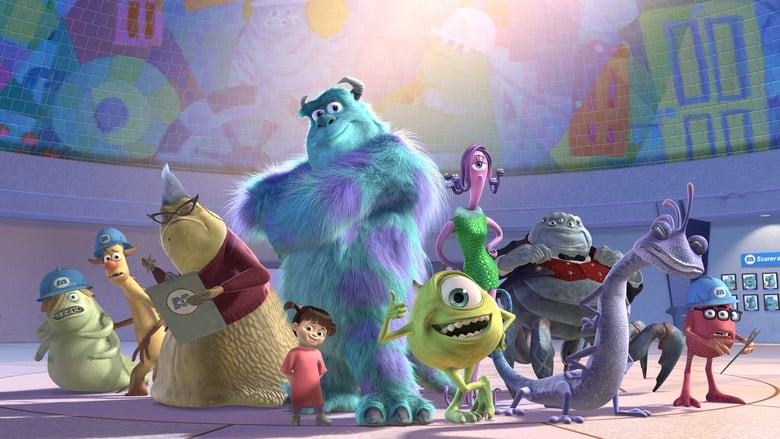
The doors are a central element of the plot, from the bustling "Scare Floor" to the thrilling chase scene through the vast door vault. The climax of the film revolves around getting Boo back to her specific door. When Mike rebuilds her door at the end, it signifies hope and the continuation of Sulley and Boo's bond.
Scream Canisters
The yellow scream canisters visually represent the commodification of fear. They are a tangible measure of a Scarer's success and the fuel that powers Monstropolis. The shift from the small, yellow scream canisters to the larger, red laughter canisters at the end of the film visually symbolizes the film's core message: that joy is a more abundant and powerful resource than fear.
The canisters are ever-present on the Scare Floor, being filled and transported. The sound of a full canister is a mark of success. At the end of the film, the redesigned factory floor is filled with the new, larger canisters, signifying the positive change in their society.
Boo's Drawings
Boo's crayon drawings are a symbol of her innocence and her perception of the world. Her drawing of Sulley and herself holding hands represents their bond and her lack of fear towards him. After Sulley is forced to scare her, her torn drawing symbolizes her broken trust and fear. When she later shows him the mended drawing, it signifies forgiveness and the restoration of their friendship.
Boo's drawings are seen in her bedroom. The torn drawing is a pivotal emotional moment in the film. The final drawing she shows Sulley before he leaves her room for the last time reinforces the deep connection they have formed.
Philosophical Questions
Is it ethical to exploit the emotions of others for personal or societal gain?
The entire premise of Monsters, Inc. is built on the harvesting of children's screams for energy. The film initially presents this as a simple fact of their world, but Sulley's growing relationship with Boo forces him, and the audience, to question the morality of this system. The conspiracy to kidnap children and use the "Scream Extractor" is a clear violation of ethics, but the film also raises questions about the fundamental practice of scaring children, even if it is for the betterment of monster society.
How do fear and prejudice shape a society?
The monster world is built on a foundation of fear: the fear the monsters instill in children, and their own fear of being contaminated by them. This societal fear leads to prejudice against humans and a rigid, unforgiving system for dealing with any perceived contamination. The film explores how this fear-based culture can stifle progress and lead to unethical behavior, and how challenging these ingrained fears and prejudices can lead to positive, transformative change.
What is the true nature of power?
"Monsters, Inc." presents two competing sources of power: screams and laughter. Screams represent a form of power derived from fear, intimidation, and control. Laughter, on the other hand, is a power source born from joy, connection, and positive emotions. The film ultimately argues that the power of laughter is not only more potent but also more ethical and sustainable. This raises the philosophical question of whether true power lies in dominance and control or in compassion and the ability to bring joy to others.
Core Meaning
The core meaning of "Monsters, Inc." revolves around the transformative power of love and compassion over fear. The film posits that joy and laughter are far more powerful and sustainable sources of energy than fear and intimidation. This is not just a literal plot point but a potent metaphor for interpersonal relationships and societal structures. The director, Pete Docter, was inspired by his own experiences as a new father, channeling the chaos, uncertainty, and profound love of parenthood into the relationship between Sulley and Boo. The film suggests that true strength lies not in being scary or intimidating, but in kindness, empathy, and the courage to challenge a flawed system for the greater good.