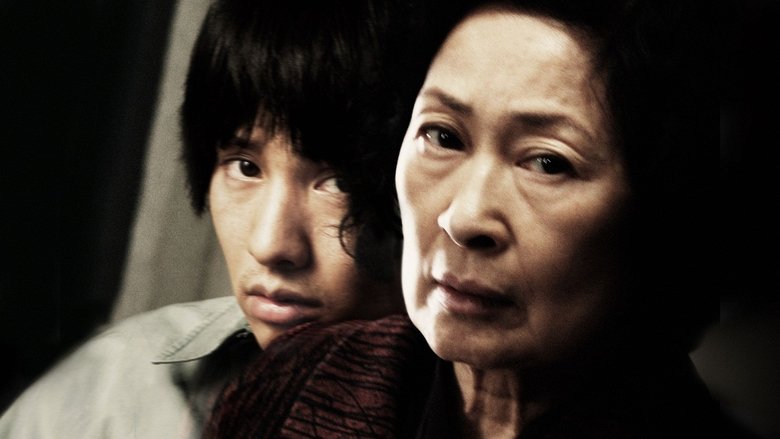
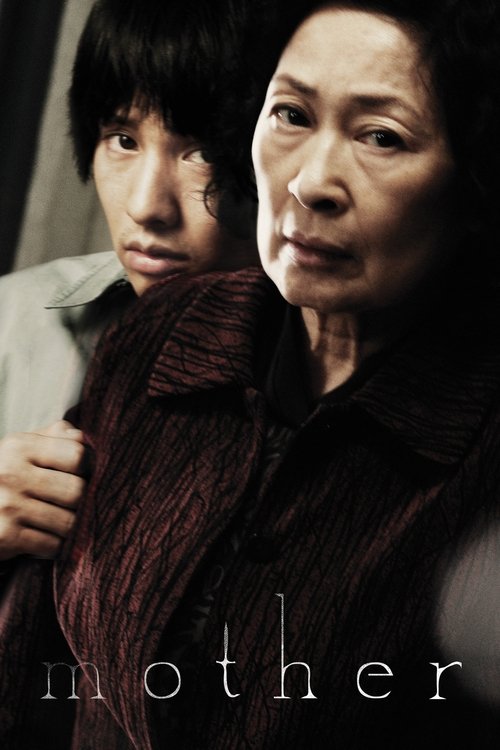
The Truth: Do-joon did kill the schoolgirl, Ah-jung. She followed him, he propositioned her, and when she rejected him and called him a 'retard,' he threw a large rock at her head in a fit of childish rage. He then dragged her body to the roof to 'so she could be seen,' not understanding the gravity of death.
The Cover-Up: The Mother finds the Junk Collector who witnessed this. To protect her son, she smashes the old man's skull with a wrench and burns his house down to destroy the evidence.
The Tragic Irony: The police eventually arrest another intellectually disabled boy (Jong-pal) for the crime. The Mother visits him and cries, realizing he has no mother to protect him like she did for Do-joon. She leaves him to take the fall.
The Ending: On a bus trip with other parents, the Mother stabs her own 'forgetting' acupuncture point and dances manically, choosing to erase the memory of her son's guilt and her own crimes.