The 'twist' occurs when Rita opens the blue box and disappears. The camera dives into the void, and the film resets into a darker reality. We learn that 'Betty' is actually Diane Selwyn, a bitter, failed actress. She had a relationship with Camilla Rhodes (Rita), but Camilla left her for the director Adam Kesher. Consumed by jealousy, Diane hired a hitman to kill Camilla at the diner (Winkie’s). The blue key found on Diane’s table is the hitman’s confirmation. Overwhelmed by the guilt of the murder and her own crumbling life, Diane suffers a psychological breakdown and eventually shoots herself. The entire first part of the film was her attempt to rewrite this tragedy as a hopeful mystery while she was asleep or dying.
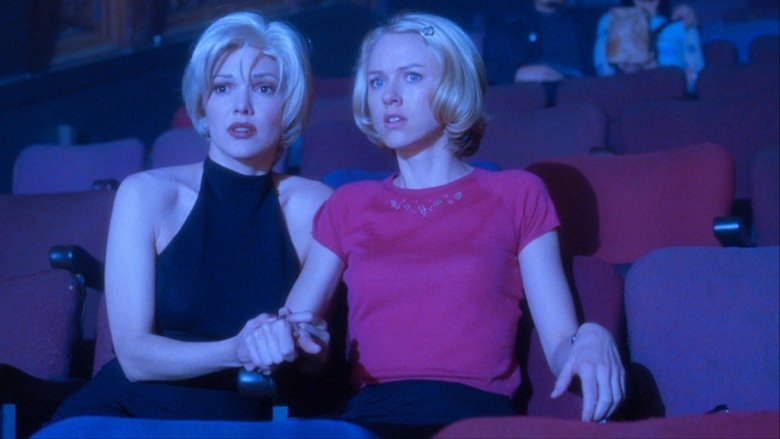
A neo-noir fever dream where the shimmering promise of Hollywood glamour dissolves into a visceral nightmare of fractured identity, fueled by the haunting echo of a single blue key and the silence of a tragic secret.
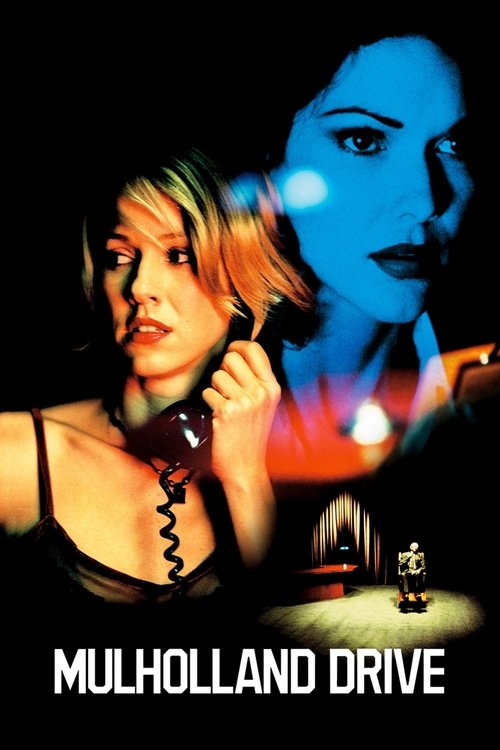
Mulholland Drive
"A love story in the city of dreams."
06 June 2001
France
147 min
7.8
(6,767)
Director: David Lynch
Cast: Naomi Watts, Laura Harring, Justin Theroux, Ann Miller, Mark Pellegrino
Drama
Thriller
Mystery
The Duality of Identity
Dreams vs. Reality
Hollywood as a Nightmare
Guilt and Repression
Budget:
$15,000,000
Box Office:
$20,289,986
Mulholland Drive — Ending Explained
⚠️ Spoiler Analysis
Alternative Interpretations
The most widely accepted interpretation is the Dream Theory: the first 110 minutes are Diane's guilt-ridden dream where she is a talented star (Betty) and Camilla is a helpless victim (Rita) who loves her. However, other valid readings exist:
- Parallel Realities: Some suggest the film depicts two diverging timelines or parallel universes that briefly intersect.
- Post-Mortem State: Another theory posits the film is a 'death dream' occurring in the split second as Diane commits suicide, a final reorganization of her life's failures.
- Cinephilic Critique: A more abstract reading suggests the film isn't about a person, but about the 'soul of cinema' itself, moving from the Golden Age (Betty's look) to the cynical, grimy modern era.
Explore More About This Movie
Dive deeper into specific aspects of the movie with our detailed analysis pages