
The film moves from light to dark as the sisters are picked off one by one. Sonay marries her boyfriend Ekin, a 'happy' ending within the constraints. Selma is forced to marry Osman; on her wedding night, she fails to bleed, leading to a humiliating hospital visit to prove her virginity. She becomes trapped in a loveless marriage.
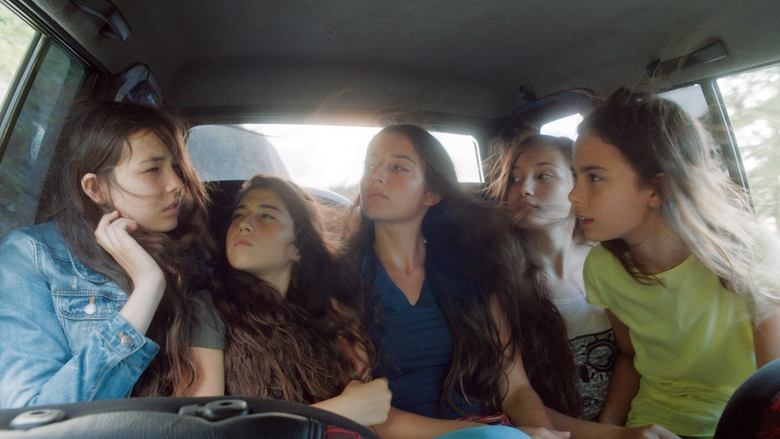
The turning point is Ece, who is implied to be sexually abused by Uncle Erol. Unable to bear the trauma, she commits suicide. When the uncle turns his sights on Nur, the youngest sister, Lale, decides to act. On the night of Nur's forced wedding, Lale barricades the house, and with Nur's help, they escape to the family car.
After a tense chase and a crash, they hike to the road and hitchhike to Istanbul. The film ends with them arriving at the home of a former teacher, Dilek, who had given Lale her address. The final shot implies safety and a new future, but the cost—the loss of three sisters—weighs heavily.