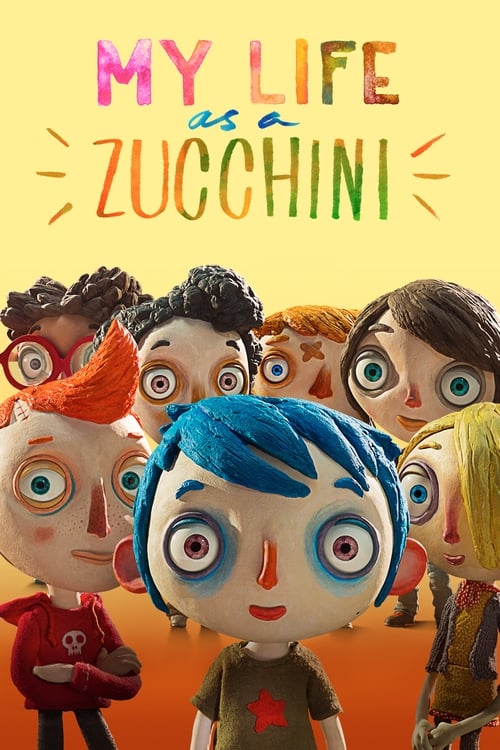
Ma vie de courgette
"SOMETIMES WE CRY BECAUSE WE'RE HAPPY."
My Life as a Zucchini - Symbolism & Philosophy
Symbols & Motifs
The Kite
Symbolizes hope and the idealized father. Zucchini decorates it with a superhero, representing the father who abandoned him but whom he still yearns to believe was a hero.
Zucchini keeps the kite as one of his few possessions. At the end, he adds a photo of his new friends to it, showing his shift from longing for the past to embracing the present.
The Beer Can
Represents the legacy of his mother's alcoholism and the tragic accident. It is both a source of trauma and a literal memento of his mother's presence.
Zucchini carries an empty beer can to the orphanage. Later, he refashions a beer can into a toy boat for Camille, symbolizing the transformation of his pain into something helpful and kind.
Oversized Eyes
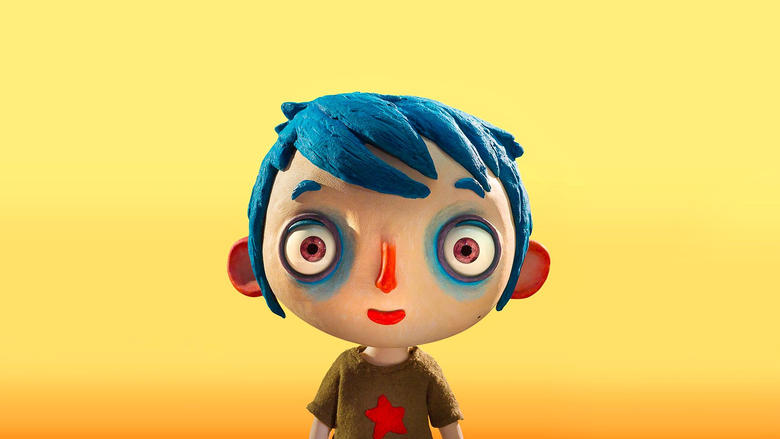
Symbolize vulnerability and emotional depth. They act as windows to the children's internal worlds, capturing the sheer scale of their feelings.
The puppet designs emphasize the eyes (60% of the animation work was focused there), making every blink and gaze a vital part of the storytelling.
Philosophical Questions
Does identity belong to the person or their past?
The film explores this through Zucchini's nickname. By choosing to keep the name his abusive mother gave him, he is reclaiming his past on his own terms rather than letting it be erased.
Is family a biological destiny or a moral choice?
The film argues for the latter, showing that biological parents can be sources of destruction, while strangers can provide the unconditional love required for a family.
Core Meaning
The core meaning of the film lies in the resilience of the human spirit and the transformative power of found family. Director Claude Barras and screenwriter Céline Sciamma aimed to depict childhood not as a sanitized fantasy, but as a period of profound emotional intelligence where children must often navigate adult failures. The film suggests that while trauma may break a child's world, the solidarity found in shared experience and the presence of even a single empathetic adult can pave the way for healing and a meaningful future.