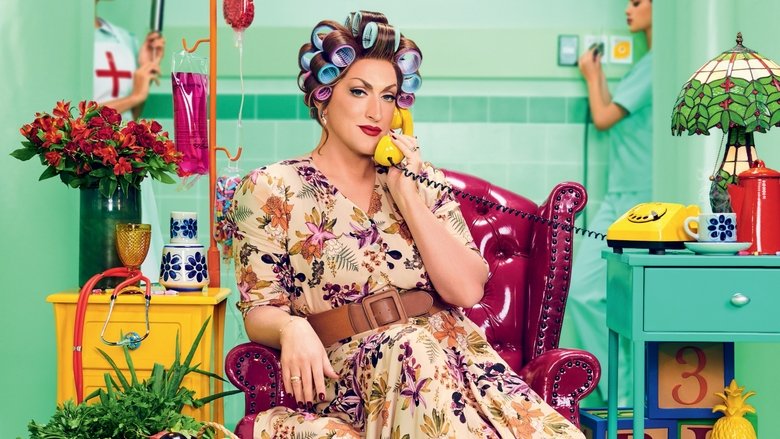
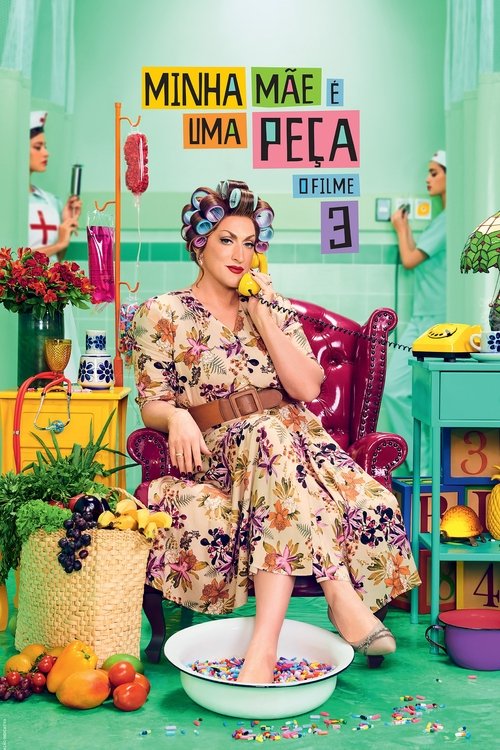
The plot of "My Mom Is a Character 3" follows Dona Hermínia's chaotic journey of acceptance. After a comedic health scare lands her in the hospital, her children Juliano and Marcelina rush to her side. There, Juliano announces he is engaged to his boyfriend, Thiago, and Marcelina reveals she is pregnant from a short-term relationship with her goofy boyfriend, Sol. Overwhelmed but secretly thrilled, Hermínia immediately tries to take over planning both the wedding and the baby shower, but is gently rebuffed by her children, who want to make their own decisions. This rejection plunges her into a deep 'empty nest' depression.
Feeling useless, she accompanies her ex-husband Carlos Alberto to a seniors' group and impulsively decides to join them on a trip to Los Angeles to escape her problems. Her American adventure is short-lived and doesn't solve her feelings of loneliness. Upon her return, the central conflict escalates with the arrival of Ana, Thiago's snobbish and critical mother, creating a hilarious rivalry with Hermínia. The two mothers clash over every detail of the wedding preparations.
The climax of the film occurs at Juliano and Thiago's wedding. During the ceremony, Dona Hermínia gives a heartfelt, improvised speech. She talks about her unconditional love for her son, dismissing any prejudice against his marriage. She declares that a child's happiness is all that matters to a mother, and her love is strong enough to protect him from the world's intolerance. The speech moves everyone to tears and leads to a truce with Ana. The film ends at a family Christmas gathering. Marcelina has given birth to a daughter, and the entire, expanded family is together. The final scene is a touching montage of photos of Paulo Gustavo with his own family, including his mother Déa, the real inspiration for Dona Hermínia, blending the fiction with the heartfelt reality behind the story.