My Night at Maud's
A winter tale of intellectual seduction/Drama where a rigid Catholic engineer tests his moral code against a free-thinking divorcée. Amidst falling snow and philosophical debates, the film explores the calculus of desire and the hypocrisy of virtue.
My Night at Maud's
My Night at Maud's

Ma nuit chez Maud

04 June 1969 France 110 min ⭐ 7.7 (348)
Director: Éric Rohmer
Cast: Jean-Louis Trintignant, Françoise Fabian, Marie-Christine Barrault, Antoine Vitez, Leonid Kogan
Drama Comedy Romance
Pascal's Wager Chance vs. Predestination Moral Hypocrisy Intellectualism as Defense

My Night at Maud's - Ending Explained

⚠️ Spoiler Analysis

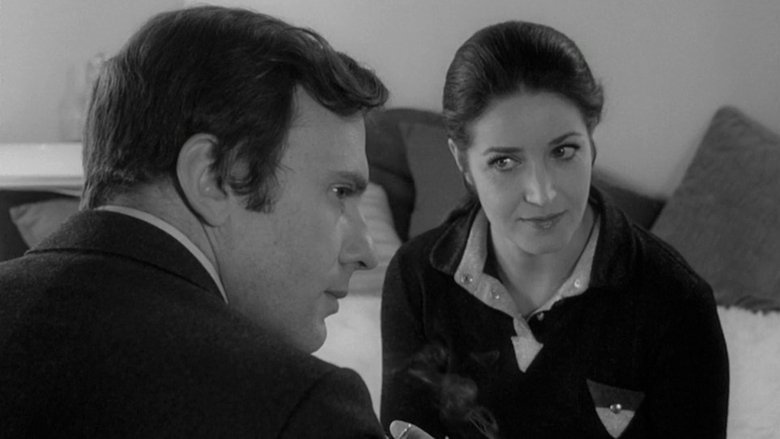
The film's twist relies on a hidden connection revealed in the final act. Throughout the film, Jean-Louis speaks of his high moral standards and his search for a pure Catholic wife. He resists Maud, a divorcée, to save himself for Françoise.

However, it is revealed that Françoise was the secret mistress of Maud's husband. This was the affair that broke up Maud's marriage. The irony is devastating: Jean-Louis rejected the 'sinful' divorcée Maud only to marry the 'pure' woman who was the actual cause of the sin.

In the final scene on the beach five years later, when they run into Maud, Jean-Louis realizes this truth. However, he chooses not to confront it or acknowledge it openly. He sticks to his 'wager,' deciding to live within the comfortable lie of his marriage rather than face the messy truth, proving that his morality was always about appearance and safety rather than absolute truth.

Alternative Interpretations

The Cynical Reading: Jean-Louis is not a hero of faith but a coward. He runs from Maud not because of virtue, but because she intimidates him with her freedom and intelligence. He chooses Françoise because she is 'safe' and he can project his fantasy onto her.

The Feminist Reading: Maud is the true protagonist and the only honest character. The film exposes the fragility of the male ego, which requires women to fit into madonna/whore archetypes to feel secure.

The 'Wager' Reinterpretation: The wager isn't about God, but about marriage. Jean-Louis bets his life that a traditional marriage will bring happiness, ignoring the evidence (Françoise's past) that contradicts his probability model.