
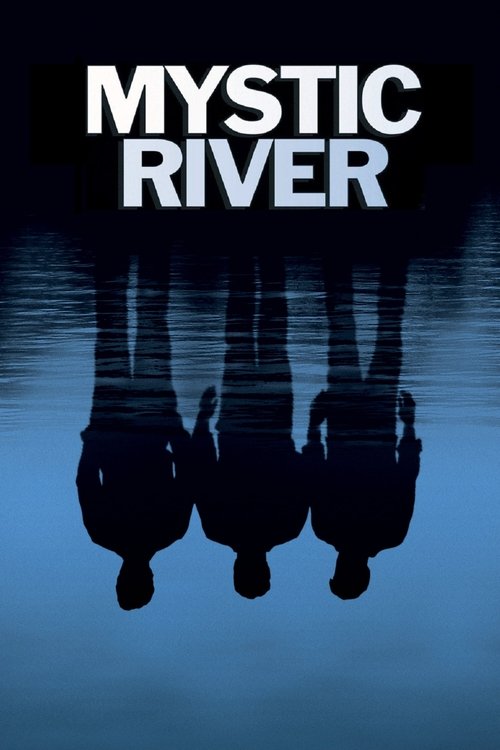
"We bury our sins, we wash them clean."
Mystic River - Symbolism & Philosophy
Symbols & Motifs
The Mystic River
A repository for the community's buried secrets and sins. It represents the false hope that one can "wash away" guilt. In reality, the river hides bodies but does not absolve the perpetrators.
Used in the opening and closing shots, and referenced by Jimmy as the place where he "buries his sins." It is where he kills Dave, believing it will cleanse him, just as it hides the truth of his past crimes.
Wet Cement / Names in the Sidewalk
The permanence of the past. The boys wrote their names in wet concrete moments before the abduction.
The film returns to this image to show that while the cement has hardened and the names are permanent, the friendship was halted at that exact moment. The unfinished name represents the interrupted childhood.
The Hockey Game
The loss of potential and the randomness of fate. It represents the "normal" life that was stolen from Dave.
The boys are playing street hockey when the abductors arrive. The ball rolls down the drain, symbolizing their innocence disappearing into the dark underworld.
Philosophical Questions
Is vigilante justice ever morally justifiable?
The film presents a brutal counter-argument to the 'good guy with a gun' trope. Jimmy acts on what he believes is righteous fury, but because he operates outside the truth-seeking mechanism of the law, he commits an irrevocable evil. It asks if emotion can ever be a reliable guide for justice.
Are we defined by our trauma?
Dave tries desperately to be a normal father, but the film suggests that some wounds are too deep to heal. It raises the uncomfortable question of determinism: was Dave's fate sealed the moment he got in the car, or did he have a choice?
Core Meaning
The Inescapability of the Past
Clint Eastwood's film argues that childhood trauma is not an event that ends, but a continuous force that shapes destiny. The central message is that violence begets violence in a cyclical tragedy; the sins of the past (Dave's abduction, Jimmy's criminal history) ripple forward to destroy the next generation. It deconstructs the American myth of vigilante justice, revealing it not as heroism, but as a blind, destructive force born of pain and toxic masculinity.