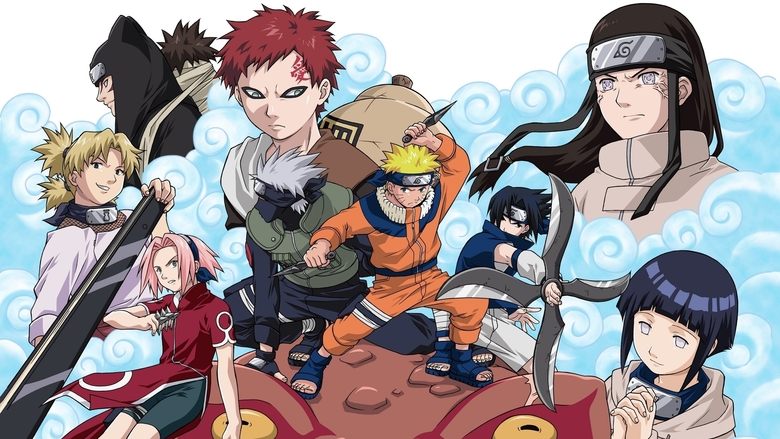
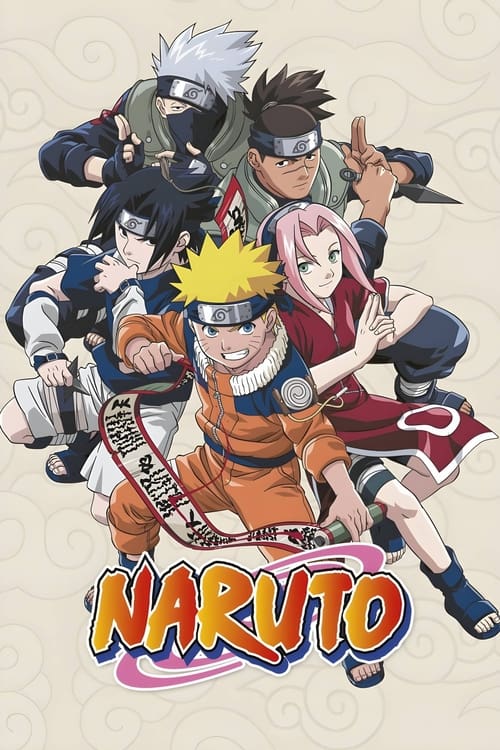
The 2002 series is defined by two major twists. First, the villain Orochimaru successfully assassinates the Third Hokage, destabilizing the village. Second, and most crucially, the 'hero's journey' ends in failure in Part 1. Despite all his growth, Naruto fails to retrieve Sasuke.
Sasuke's defection is the narrative fulcrum. He chooses to align with Orochimaru to gain power, rejecting Naruto's friendship. The series ends on a bittersweet note: Naruto hasn't achieved his goal, but he hasn't given up. He leaves with Jiraiya for a two-and-a-half-year training trip, signaling that the true battle for his friend's soul (and the plot of Shippuden) is just beginning. The final shot of Naruto looking at the Hokage Rock vows his return, framing the entire 220 episodes as merely the prologue to his legend.