風の谷のナウシカ
"A young girl's love called forth miracles…"
Nausicaä of the Valley of the Wind - Symbolism & Philosophy
Symbols & Motifs
The Toxic Jungle (Sea of Corruption)
The Toxic Jungle symbolizes the consequences of humanity's past actions and the powerful, resilient force of nature. While it is deadly to humans, it is also a place of purification and rebirth, cleansing the polluted earth. It represents a natural world that is both dangerous and beautiful, and that humanity must learn to respect and coexist with.
The jungle is a constant presence in the film, its spores threatening the human settlements. Nausicaä's explorations of the jungle and her discovery of the pure world beneath it are central to the plot and her understanding of her world.
The Ohmu
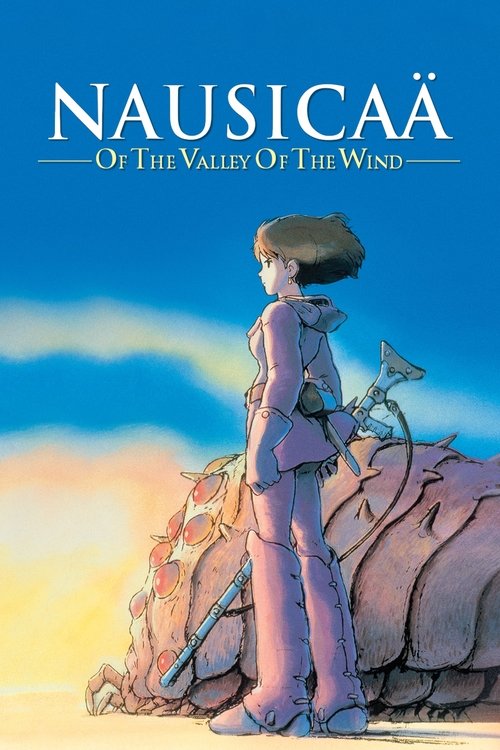
The Ohmu are giant, intelligent insects that are the guardians of the Toxic Jungle. They represent the misunderstood and often feared aspects of nature. Their eyes change color based on their emotions, from blue (calm) to red (enraged), symbolizing the delicate balance of the natural world and its capacity for both tranquility and destructive fury when provoked.
The Ohmu are central to the film's climax, where their stampede threatens the Valley of the Wind. Nausicaä's empathy and connection with the Ohmu are key to resolving the conflict and fulfilling the prophecy.
The Giant Warriors
The Giant Warriors are ancient biomechanical weapons that caused the 'Seven Days of Fire.' They symbolize humanity's hubris, its destructive technological power, and the folly of trying to control nature through force. Their reawakening represents a regression to the same mistakes that led to the world's devastation.
The embryo of a Giant Warrior is discovered by the Tolmekians, who plan to use it to burn the Toxic Jungle. Its premature activation and subsequent decay highlight the uncontrollable and ultimately self-destructive nature of such power.
Wind
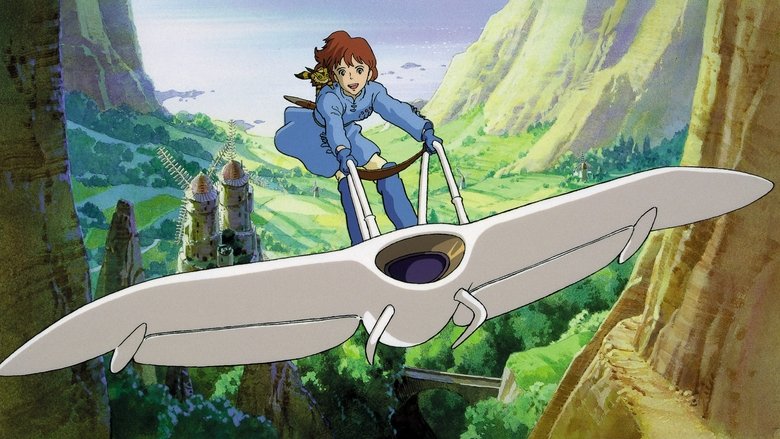
Wind symbolizes life, purity, and the connection between humanity and nature. The Valley of the Wind is protected by the wind, which keeps the toxic spores at bay. Nausicaä is a 'wind-rider,' skillfully navigating the air currents on her glider, which represents her harmony with the natural world.
The film's title emphasizes the importance of the wind. Nausicaä's ability to ride the wind is a visual representation of her unique understanding and respect for nature.
Philosophical Questions
Can humanity ever truly coexist with nature without trying to dominate it?
The film explores this question through the contrasting ideologies of Nausicaä and the other human factions. While the Tolmekians and Pejites see nature as an adversary to be conquered, Nausicaä demonstrates that a symbiotic relationship is possible through understanding and respect. The film suggests that humanity's survival depends on a fundamental shift in its perception of its place in the natural world, from master to partner.
Is pacifism a viable response to aggression and violence?
Nausicaä is a reluctant warrior who strives for peace but is also capable of violence when pushed to her limits. The film grapples with the complexities of pacifism in a world filled with conflict. While it ultimately champions a non-violent approach, it also acknowledges the difficulty of maintaining this stance in the face of brutality. Nausicaä's journey raises questions about whether true peace can be achieved without some measure of resistance.
What is the true nature of 'pollution' and 'purity'?
The film challenges conventional notions of purity and pollution. The 'Toxic Jungle,' which humans perceive as a poisonous blight, is revealed to be a purifying force, cleansing the earth of humanity's toxins. This raises the philosophical question of what is truly 'toxic' – the natural world that has adapted to humanity's mess, or humanity's own ignorance and destructive tendencies. The 'pure' world exists beneath the jungle, a product of nature's slow and patient healing process.
Core Meaning
The central message of "Nausicaä of the Valley of the Wind" is a profound plea for ecological understanding, pacifism, and empathy. Director Hayao Miyazaki posits that humanity's antagonistic relationship with nature stems from fear and ignorance. The film suggests that what appears to be a toxic and hostile environment is, in fact, a natural process of purification, healing a world poisoned by humanity's past mistakes. Nausicaä embodies the film's core belief that coexistence is possible through compassion, scientific inquiry, and a willingness to look beyond prejudice. The narrative argues against solving problems with violence and technological arrogance, as represented by the destructive Giant Warrior, advocating instead for a deeper respect for all forms of life and the intricate balance of the natural world.