
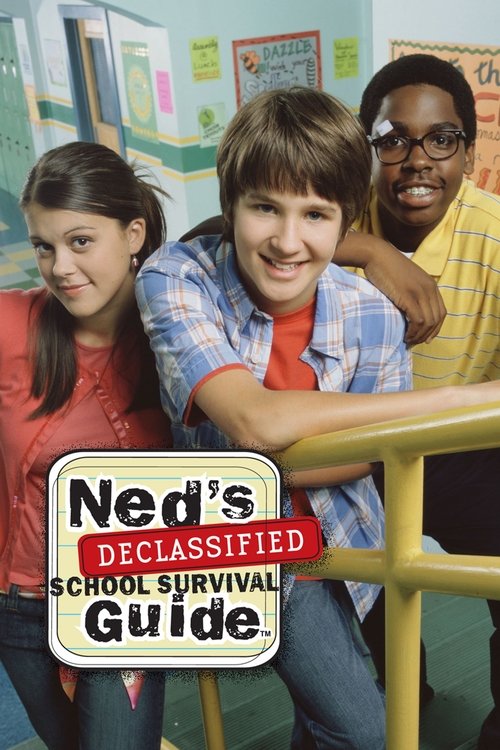
Throughout its three seasons, the central underlying plot of "Ned's Declassified" is the evolving relationship between the three main characters, particularly the slow-burn romance between Ned and Moze. For much of the series, this is complicated by Ned's long-standing crush on the popular and kind Suzie Crabgrass and Moze's series of boyfriends, including the jock Seth Powers and later, Faymen. The dynamic is a classic 'best friends to lovers' trope, where both characters remain oblivious to their deeper feelings for a significant time.
The major turning point occurs in the third season. After Moze breaks up with Faymen, she and Ned begin to confront their feelings. This culminates in the series finale, "Field Trips, Permission Slips, Signs & Weasels." During the end-of-year field trip, the love triangle between Ned, Moze, and Suzie reaches its climax. Suzie and Ned finally get together, but they both realize they are better off as friends and that Ned's true feelings lie with Moze. In the final moments of the series, Ned and Moze confess their love for each other and share a kiss, providing a deeply satisfying resolution. Simultaneously, Cookie, who spent the third season infatuated with a newly glamorous Lisa Zemo, finally ends up with her after a series of comedic misunderstandings.
The finale also provides the ultimate payoff for the show's premise: Ned gathers all his tips, completes the guide, and, with the help of his friends, prints and distributes copies to the incoming class of students, passing on his wisdom and officially concluding his middle school journey. The final shot reveals that the guide's ultimate tip is to cherish the friendships made along the way.