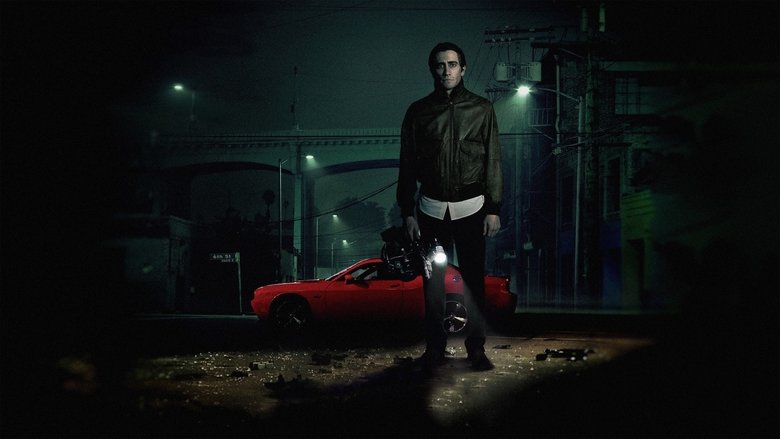
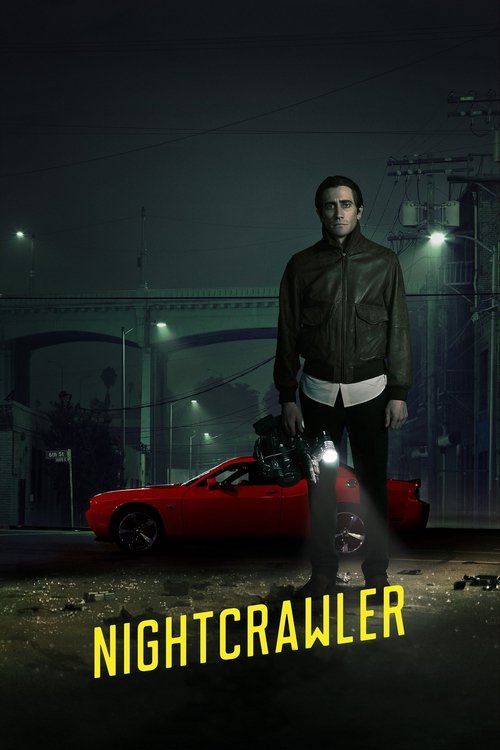
"The city shines brightest at night."
Nightcrawler - Symbolism & Philosophy
Symbols & Motifs
The Camera
A tool of objectification and power. It acts as a weapon that allows Lou to control the narrative and separate himself from humanity.
Lou constantly views the world through the viewfinder, even when not recording. In the climax, he films his dying partner rather than helping him, prioritizing the shot over the life.
The Car
A symbol of status, predator mobility, and the American drive for upgrade.
Lou upgrades from a beat-up hatchback to a sleek, high-performance Dodge Challenger as his success grows. The car becomes his office and his hunting vessel.
The Watch
A symbol of Lou's unchanging criminal nature and the rewards of his sociopathy.
Lou steals a watch from a security guard in the opening scene. In the final scene, despite his "legitimate" success, he is seen wearing that same stolen watch, signaling he hasn't reformed but has just found a legal channel for his predation.
Sodium Vapor Lights
The sickly yellow/orange glow represents the moral decay and toxicity of the nocturnal city.
The cinematography relies heavily on available street lighting, bathing the night scenes in an unnatural, jaundice-like hue that contrasts with the cyan shadows.
Philosophical Questions
Is the observer complicit in the event?
The film asks whether filming a tragedy makes one responsible for it. Lou crosses the line from observer to participant, but the film suggests that even passive observation (like Nina's or the audience's) creates a market that demands such events occur.
Does the end justify the means in a capitalist society?
Lou achieves traditional success—money, status, a growing company. The film challenges the viewer to define 'success.' If Lou is successful by society's metrics, does that mean society's metrics are fundamentally immoral?
Is empathy a weakness in the modern workplace?
Lou views his lack of empathy as a competitive advantage. The film explores the disturbing reality that corporate environments often reward sociopathic traits like ruthlessness and manipulation over compassion.
Core Meaning
At its heart, Nightcrawler is a scathing critique of modern capitalism and media consumption. Director Dan Gilroy presents Lou Bloom not as a malfunctioning outlier, but as the logical conclusion of a system that rewards ruthless ambition, efficiency, and profit above human life. The film argues that society creates and rewards monsters like Lou because we share his voyeuristic hunger for sensationalized tragedy. It is a satire of the "American Dream" stripped of all morality, asking the audience to confront their own complicity in the "if it bleeds, it leads" news cycle.