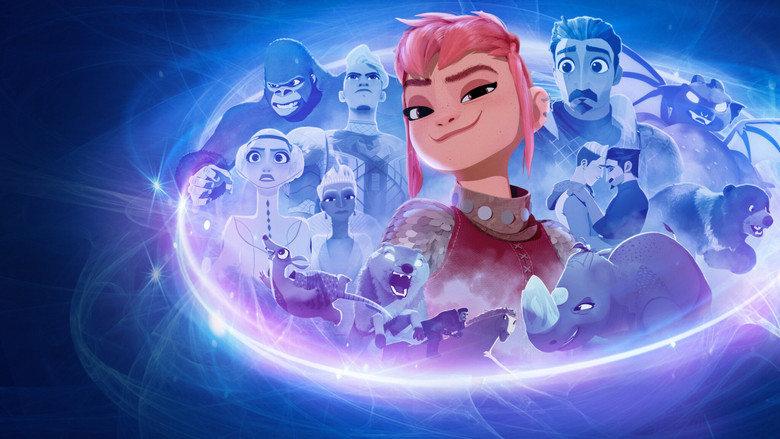
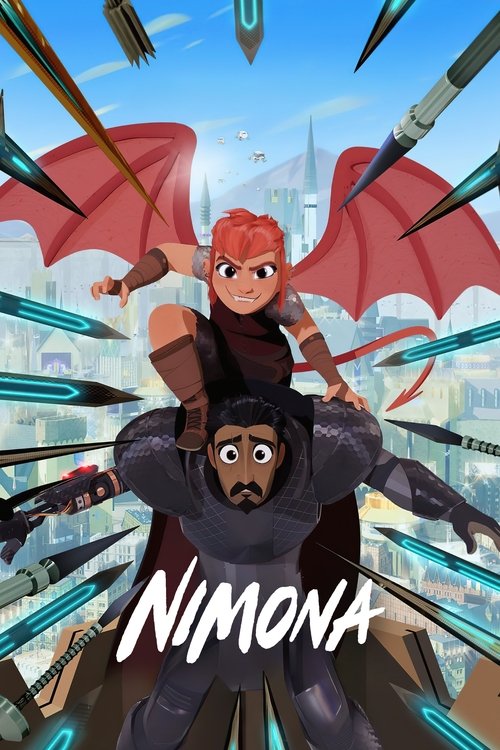
The central twist of "Nimona" is the revelation of the kingdom's true history. The legendary hero Gloreth did not defeat a great black monster; she betrayed her childhood friend, Nimona. When the adults in Gloreth's village reacted with fear to Nimona's shapeshifting, setting the village ablaze by accident, a scared Gloreth sided with them, turning on her friend. The story was twisted over a millennium to create a foundational myth that justified the kingdom's fear of the outside world and its persecution of anything different. The 'monster' was never evil, just a lonely, misunderstood child.
This revelation re-contextualizes the entire film. The Director is not a protector but the ultimate enforcer of this ancient lie, so committed to it that she murdered Queen Valerin for daring to challenge tradition by knighting a commoner. It's revealed the Director herself swapped Ballister's sword to frame him.
In the climax, when Ballister, under pressure from Ambrosius, angrily confronts Nimona and calls her a monster, he inadvertently recreates Gloreth's original betrayal. This emotional wound causes Nimona to transform into the giant, dark creature from the legends, not out of malice, but out of immense pain and despair. She intends to end her own life on Gloreth's statue, internalizing the world's hatred. It is only Ballister's apology and total acceptance that brings her back. To save the kingdom from the Director, who tries to fire a cannon into the city, Nimona transforms into a fiery phoenix and sacrifices herself, destroying the cannon and the Director. In the final scene, Ballister, now a hero alongside Ambrosius, returns to his old hideout, where a shimmering pink light appears and Nimona's voice greets him, confirming she has reformed and survived.